
Prebiotics

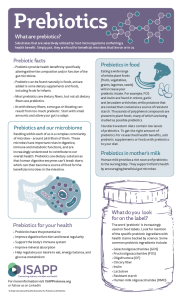
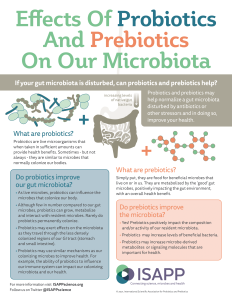
Prebiotics provide health benefits by specifically altering the microorganisms within or on your body, most commonly in the digestive tract.

Looking for a way to put your body’s microorganisms to work in improving your health? Prebiotics are substances that act as food for the microorganisms in or on your body, benefitting your health. They’re scientifically defined as “substrates that are selectively utilized by host microorganisms conferring a health benefit.”

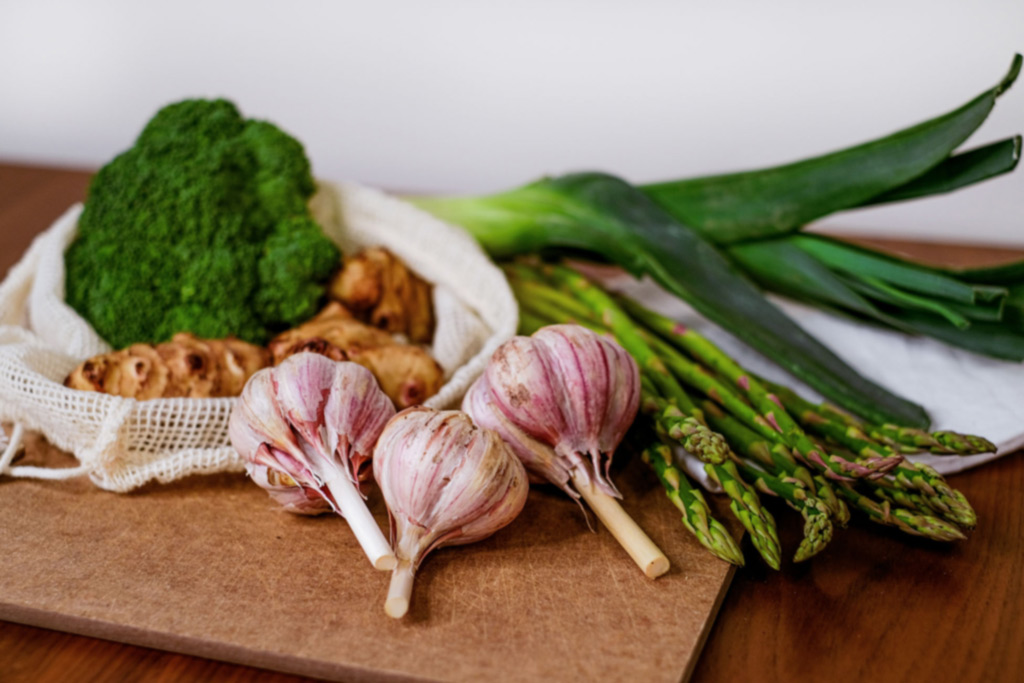
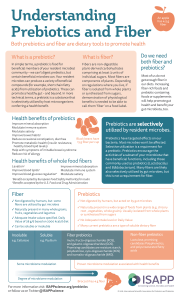
Some prebiotics are tested and shown to improve digestive function, support the body’s natural defences, improve mineral absorption or help regulate satiety and energy balance. While prebiotics can be found in foods such as onions, garlic, bananas, chicory root and Jerusalem artichokes, typically the prebiotics in these foods are found at low levels.

Prebiotics include many different types of substances, but the most studied prebiotics to date are specific types of fiber. But remember, not all dietary fibers are prebiotics. Different fibers may or may not meet the prebiotic criteria of being utilized by gut microbes to provide specific health benefits.

Featured

What’s New

More Resources on Prebiotics

1-24 of 73 results
  • New global guidelines for probiotics and prebiotics for gut health and disease

  • Looking back and looking ahead: ISAPP session focuses on the past, present, and future of the biotics field

  • The many functions of human milk oligosaccharides: A Q&A with Prof. Ardythe Morrow

  • Human milk oligosaccharides as prebiotics to be discussed in upcoming ISAPP webinar

  • Bifidobacteria in the infant gut use human milk oligosaccharides: how does this lead to health benefits?

  • Probiotics vs. prebiotics: Which to choose? And when?

  • Do polyphenols qualify as prebiotics? The latest scientific perspectives

  • ISAPP’s Guiding Principles for the Definitions of ‘Biotics’

  • Using probiotics to support digestive health for dogs

  • Follow up from ISAPP webinar – Probiotics, prebiotics, synbiotics, postbiotics and fermented foods: how to implement ISAPP consensus definitions

  • A roundup of the ISAPP consensus definitions: probiotics, prebiotics, synbiotics, postbiotics and fermented foods

  • ISAPP publishes continuing education course for dietitians