
ISAPP is your source for science-based resources, created and reviewed by experts in the field.
Looking for information you can trust on probiotics, prebiotics, synbiotics, postbiotics, fermented foods and more? Check out ISAPP’s resources for a wealth of accessible, reliable information specific to the field, and search according to the format or topic you need.
1-32 of 230 results
-
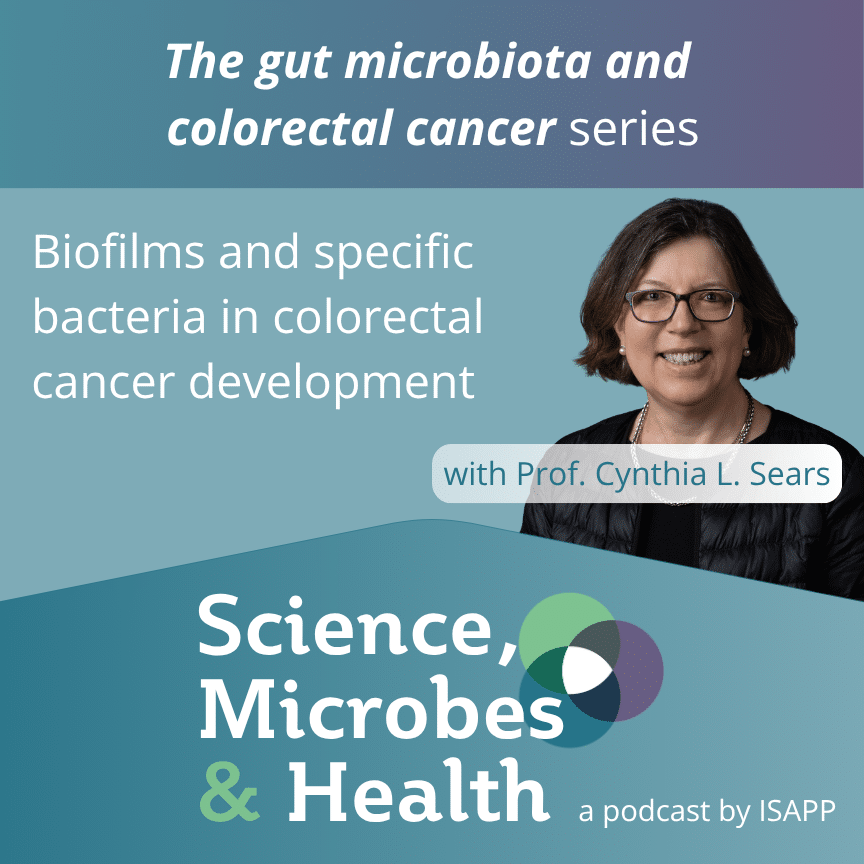
Biofilms and specific bacteria in colorectal cancer development, with Prof. Cynthia L. Sears, MD
Prof. Cynthia L. Sears, MD from the Johns Hopkins University School of Medicine and the Bloomberg School of Public Health (USA), speaks about both biofilms and specific gut microorganisms that may contribute to colorectal cancer development. -
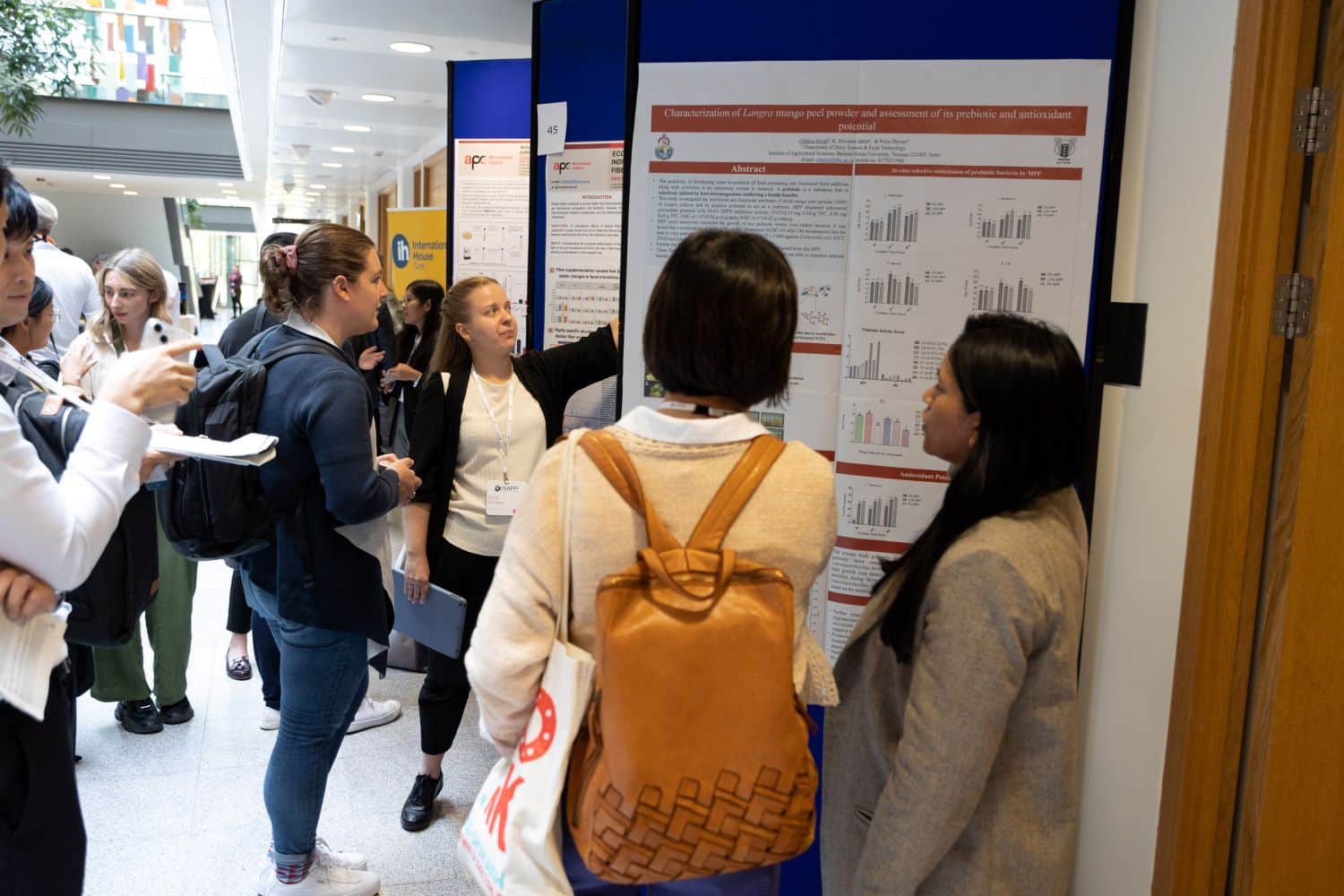
ISAPP welcomes participation in upcoming one-day scientific symposium in Tokyo
To help meet the goals of accelerating global scientific advancement and showcasing innovative biotics research, ISAPP will hold a scientific symposium on October 6, 2026 in Tokyo, Japan in conjunction with its annual meeting. -
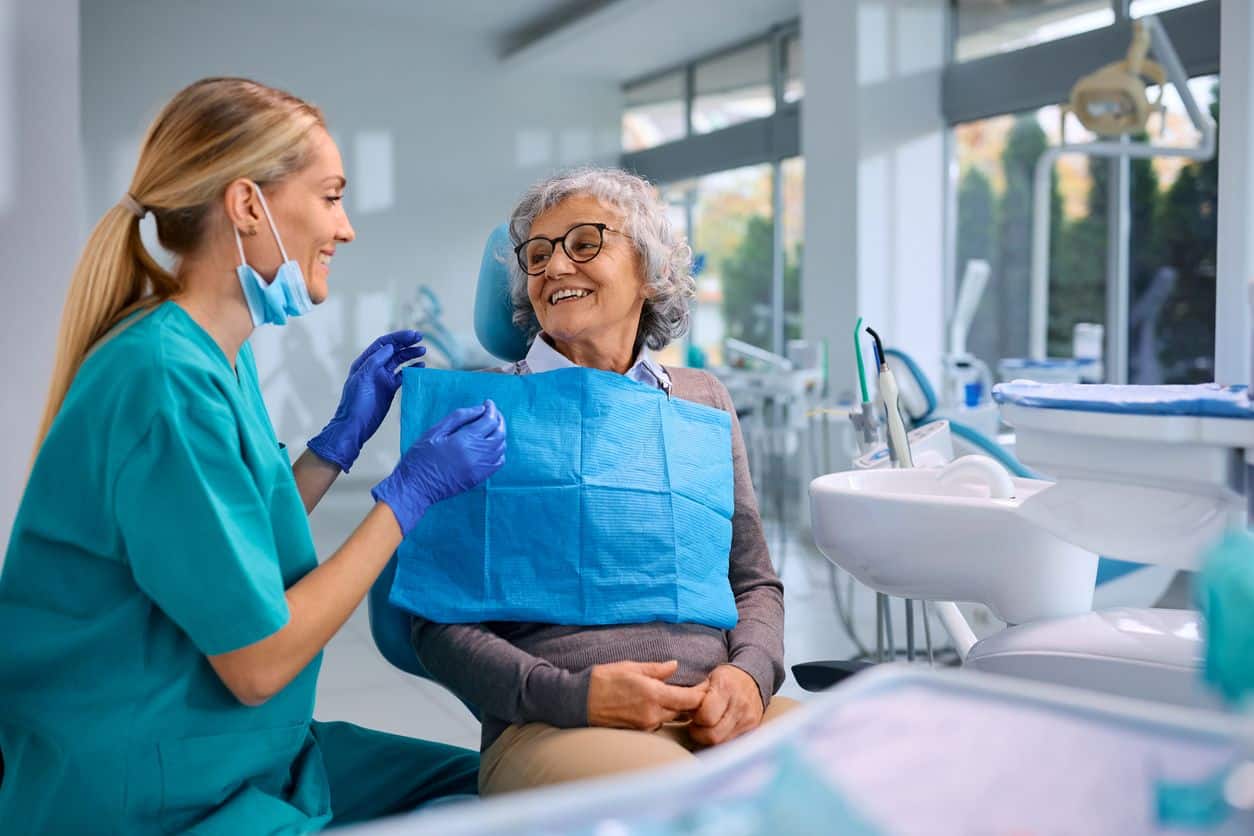
Biotics, oral microbiota and potential for dental applications
Prof. Seppo Salminen writes that the biotic approach offers potential for new biological intervention strategies in dentistry, aimed at restoring the natural oral microbiota and maintaining the balance by introducing beneficial biotic components into the oral cavity. -
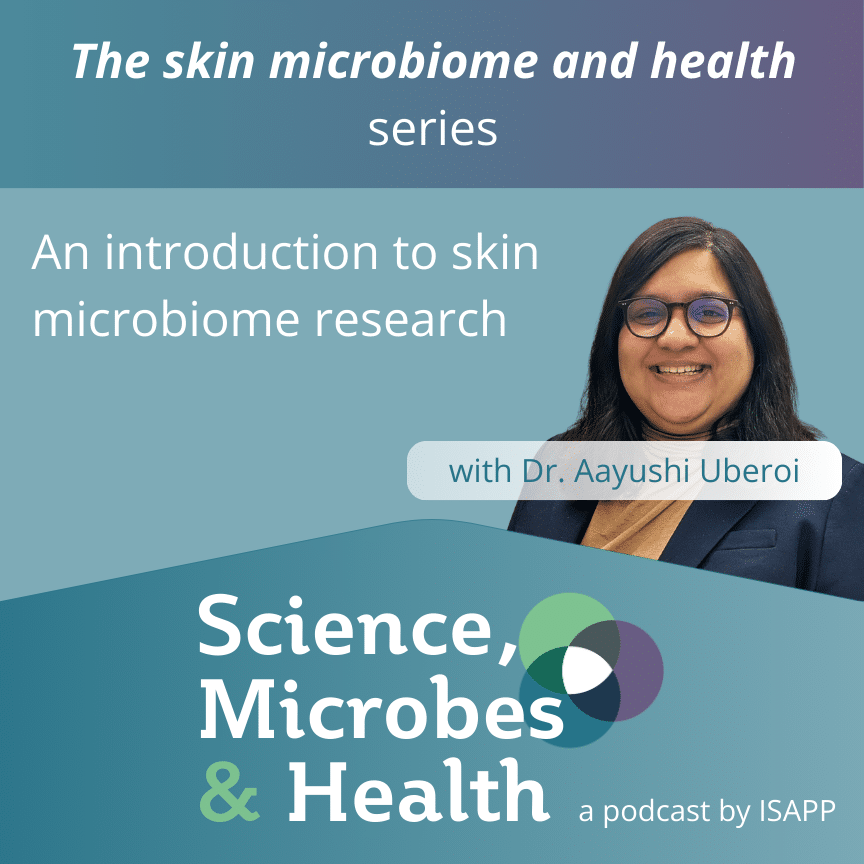
An introduction to skin microbiome research, with Dr. Aayushi Uberoi PhD
This episode features Dr. Aayushi Uberoi PhD from Washington University in St. Louis (USA), speaking about the skin microbiome and various techniques for studying it. The skin is a reactive interface that protects the body, with the skin on various parts of the body looking very different because of stratifications in the epithelial layers and… -
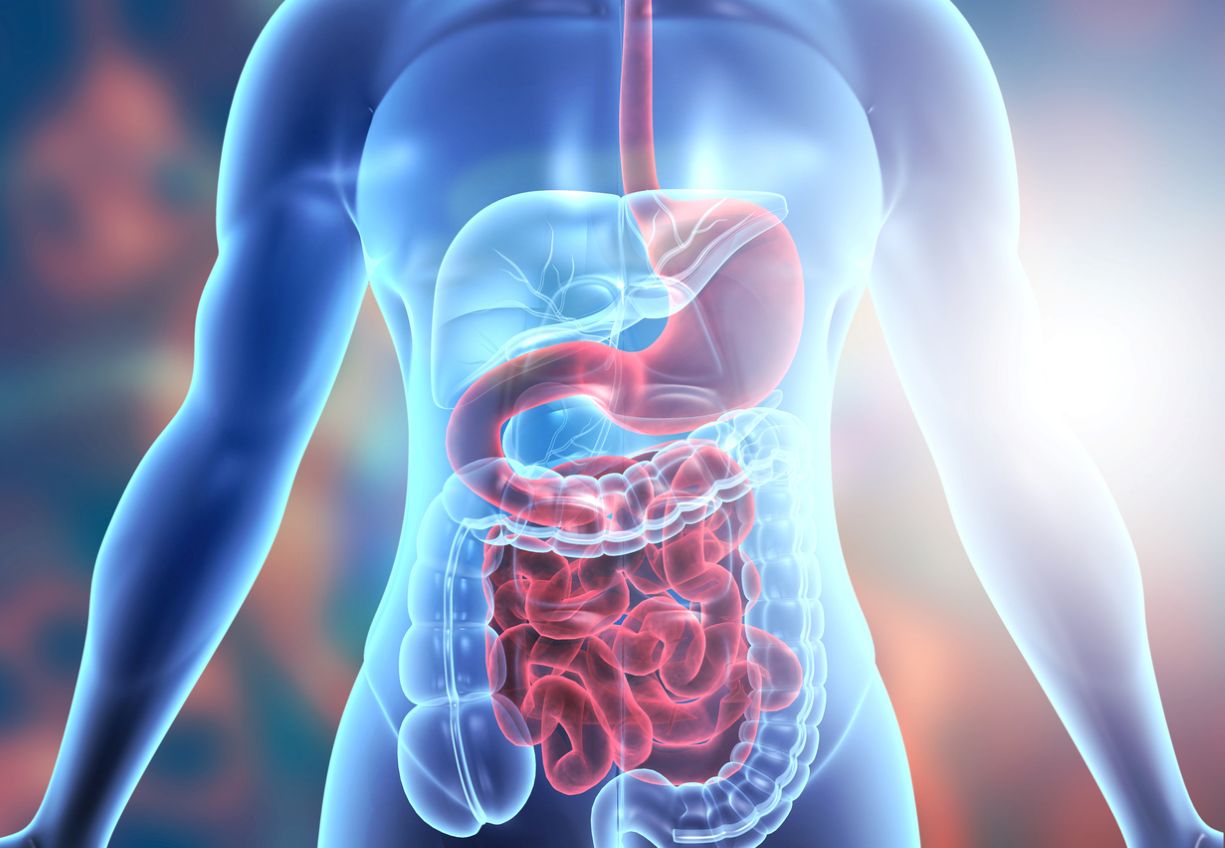
The International Scientific Association for Probiotics and Prebiotics (ISAPP) consensus statement on the definition and scope of gut health
A panel of experts evaluated the term gut health in the context of the central role of the gastrointestinal tract in health and overall well-being and proposed a definition of gut health as “a state of normal gastrointestinal function without active gastrointestinal disease and gut-related symptoms that affect quality of life”. -
Fido Needs an Antibiotic: Are There Strategies to Maintain Gut Integrity and Restore Gut Microbiota?
Despite their risks and complications, antimicrobials have their role in managing canine diarrhea and gastrointestinal enteropathies. So, what can be done to minimize the negative effects that they have on stool quality and microbial disruption? -
ISAPP’s scientific consensus definition of gut health
Gut health is a commonly used term that previously had no scientific definition. In the paper, the group defines gut health as: “a state of normal gastrointestinal function without active gastrointestinal disease and gut-related symptoms that affect quality of life”. -
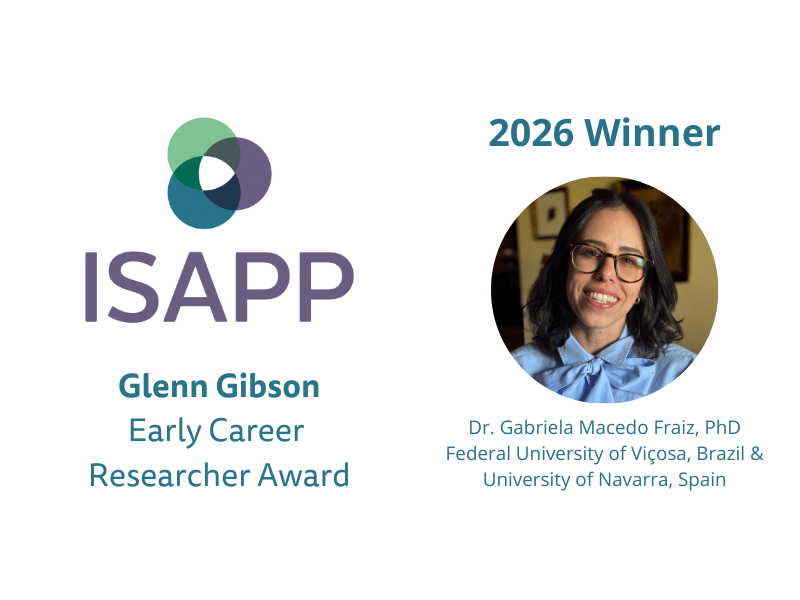
The 2026 Glenn Gibson Early Career Researcher Award Recipient is Fermented Foods Researcher Dr. Gabriela Fraiz, PhD
The award committee for the 2026 Glenn Gibson Early Career Researcher Award is pleased to announce this year’s winner: Dr. Gabriela Fraiz, PhD, a nutritional science researcher. -
2026 Sanders Award for Advancing Biotic Science Given to Prof. David Mills of UC Davis
The ISAPP board of directors is pleased to announce the selection of the winner of the 2026 Sanders Award for Advancing Biotic Science: Prof. David Mills PhD, a Distinguished Professor and researcher at University of California, Davis, USA. -
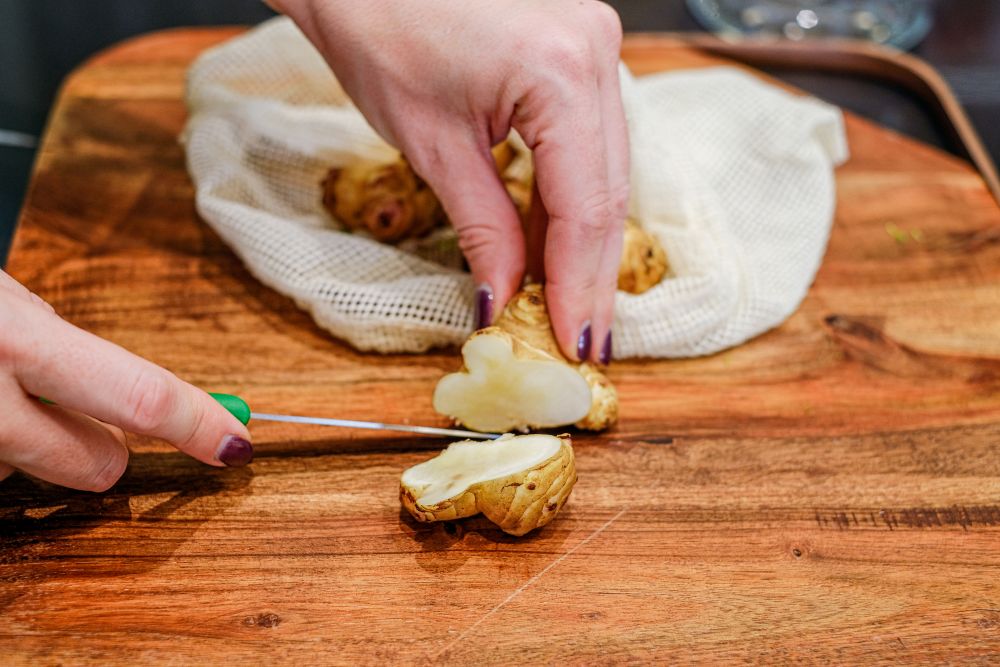
What happens when you eat fiber, and why you should eat more
In recent years much research has been done determining that the products of a healthy gut microbiota also have health benefits way beyond the gut. -

Trials on probiotics and prebiotics in infant formula, with Prof. Yvan Vandenplas MD PhD
This episode features Prof. Yvan Vandenplas MD PhD from the University Hospital Brussels and Vrije Universiteit Brussel (Belgium), speaking about the science on probiotics and prebiotics in infant formula. Over the past 20 years in this field, awareness of the importance of the gastrointestinal microbiota has grown, and biotics have been employed to try to… -
Dietary management of chronic constipation, with Dr. Eirini Dimidi PhD RD
This episode features Dr. Eirini Dimidi PhD RD from King’s College London (UK), speaking about the recently published British Dietetic Association’s guidelines for dietary management of chronic constipation. Constipation can be a major concern for patients, but evidence around some of the most common dietary recommendations for addressing it has remained unclear. After a thorough… -
Eco-evolutionary processes and antimicrobial resistance in the urobiome, with Dr. Marjon de Vos PhD
This episode features Dr. Marjon de Vos PhD from the University of Groningen (the Netherlands) speaking about microbial ecology and evolution, and in particular how these affect antimicrobial resistance. She studies the urobiome as well as the factors that contribute to urinary tract infections and successful treatment of these infections with antibiotics. Her lab combines… -
Highlighted Talks from the 2025 ISAPP Annual Meeting
In this special episode, ISAPP’s Executive Director Marla Cunningham highlights ISAPP’s annual meeting, held in Banff, Canada in July 2025. Four speakers join the podcast to describe their talks from the meeting: Episode abbreviations and links: About our speakers: Carolina Tropini, University of British Columbia, Canada Dr. Carolina Tropini is an Assistant Professor at the… -

ISAPP welcomes two new scientists to its board of directors
The ISAPP board of directors is pleased to welcome two prominent scientists and frequent ISAPP collaborators to its ranks: Prof…. -
Microbiome endpoints in clinical trials for biotics – where do we stand and what have we learnt?
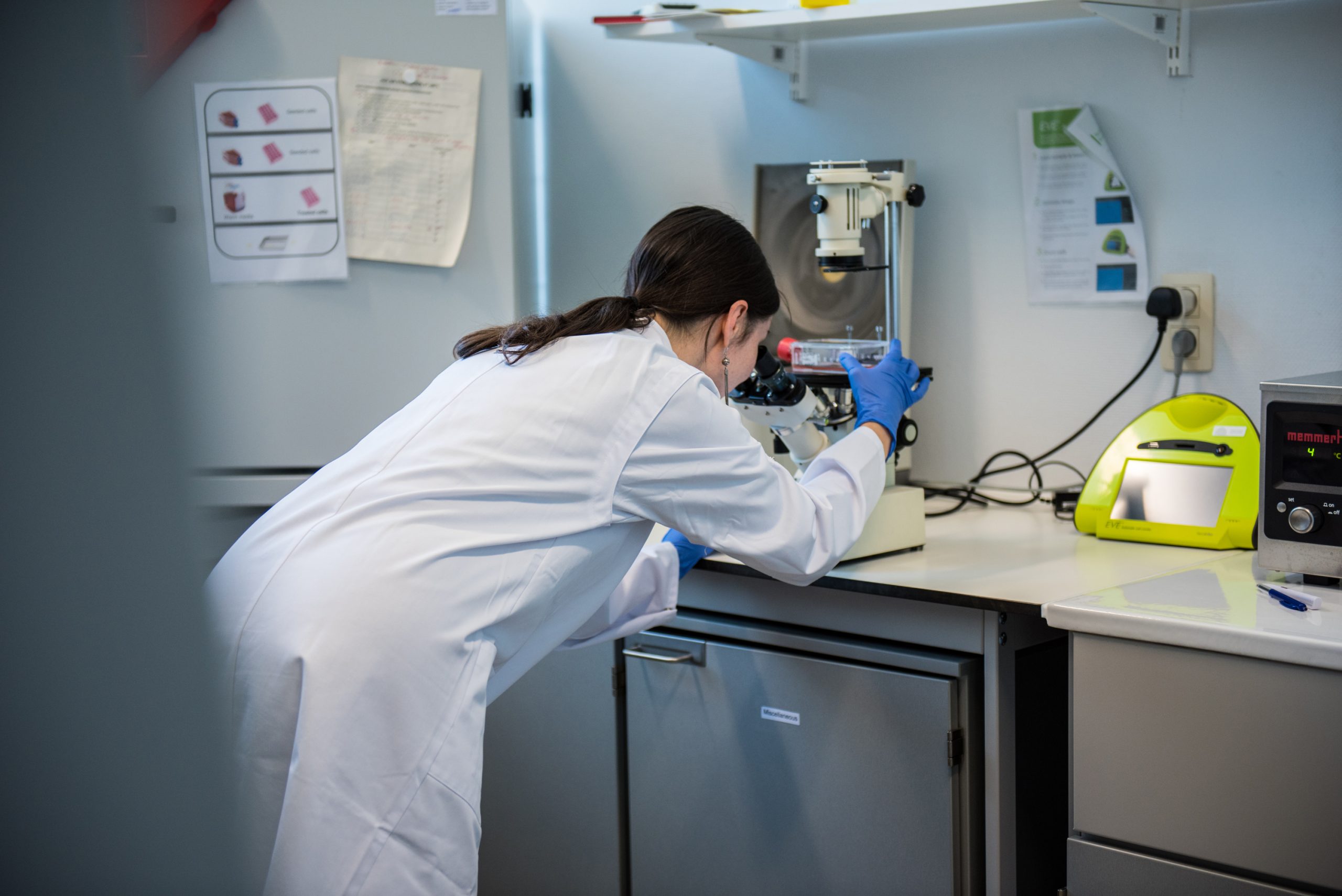
I’m sure you’ve read the results of trials similar to these (fictional) conclusions: ‘Our findings showed an increase in Faecalibacterium and Enterococcus, two… -
Five points to know about biotics for animals, from an ISAPP-led paper
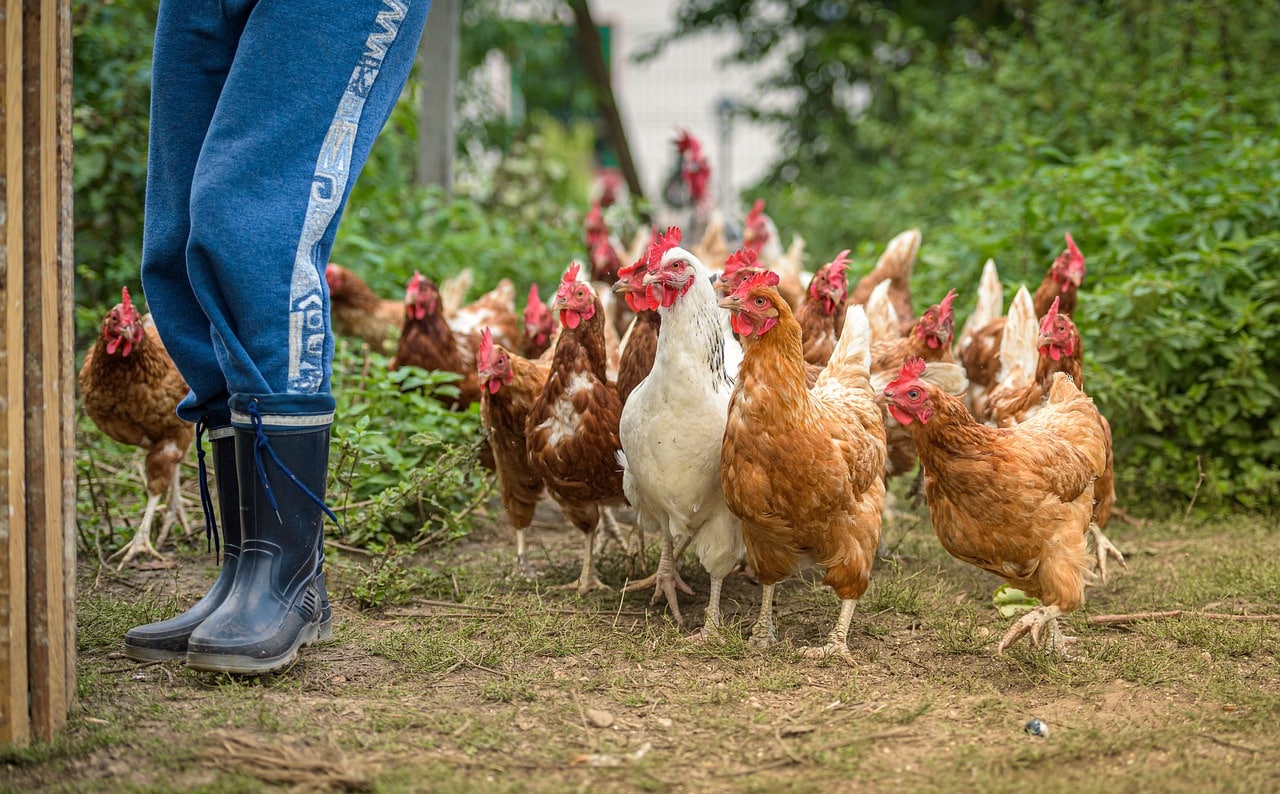
A group of animal health experts, comprising academic and industry member scientists convening at the 2023 ISAPP annual meeting, reviewed the evidence on biotics for animals, outlining what’s known to date and the likely future directions in this scientific field. -
Archive Highlight: Human milk oligosaccharides in the infant gut, with Dr. Simone Renwick PhD
In this episode, the ISAPP hosts discuss human milk and the infant gut with Dr. Simone Renwick PhD from Mother-Milk-Infant Center of Research Excellence (MOMI CORE) at UC San Diego, USA. Dr. Renwick talks about her work investigating how communities of microbes versus individual microbes in the infant gut metabolize human milk oligosaccharide (HMO) structures,… -
Exploring resources to inform probiotic recommendations: New UK Probiotic Guide Released
Well-informed healthcare professionals know the importance of recommending evidence-based probiotic products to their patients to achieve specific health benefits. But… -
Interactions of polyphenols in the gut, with Prof. Yves Desjardins PhD
This episode features Prof. Yves Desjardins PhD from Laval University in Canada. Prof. Desjardins, an agrologist by training, explains that polyphenols are metabolites synthesized by plants and present in the plant foods we consume. When humans consume polyphenols, we absorb a small fraction (around 5%) of them in the upper gastrointestinal tract, but most of… -
How to respond to the question “Should I take a probiotic?”
Two experts set the record straight on a media article about the benefits of probiotics. -
2024 highlights in biotic science, with ISAPP’s current and past Presidents
In this episode, ISAPP’s current President Prof. Maria Marco PhD and past President Prof. Dan Merenstein join the podcast hosts for a conversation about highlights in biotic science from the past year. Prof. Marco points out a paper published in Nature Microbiology, the result of an ISAPP discussion group exploring whether diet may be a… -
2025 Glenn Gibson Early Career Researcher Award Goes to Researcher in China Focused on Probiotics for Brain Health
ISAPP is pleased to announce that the recipient of this year’s Glenn Gibson Early Career Researcher Award is Dr. Peijun… -
Archive Highlight: The science of fermented foods, part 2, with Prof. Bob Hutkins
Continuing in the series on the latest fermented food science, we are highlighting Episode 3 from our archives. The hosts continue their discussion of fermented foods with Prof. Bob Hutkins, University of Nebraska – Lincoln. Prof. Hutkins elaborates on how the microbes associated with fermented foods may confer health benefits, as well as how food… -

Archive Highlight: The science of fermented foods, part 1, with Prof. Bob Hutkins
Welcome to the first episode of our new series on the latest fermented food science. We are highlighting Episode 1 from our archives with guest Prof. Bob Hutkins, University of Nebraska – Lincoln. Prof. Hutkins wrote a popular textbook on fermented foods and has had a 40-year career in fermentation science. He shares why he… -
Dutch Microbiologist Passionate About Biotics Applications & Public Outreach Receives ISAPP’s 2025 Sanders Award for Advancing Biotic Science
The ISAPP board of directors is thrilled to announce the winner of the 2nd Sanders Award for Advancing Biotic Science:… -
2024 in Review: Important Advances in Biotic and Microbiome Science
By the ISAPP Editorial Team, with contributions from the ISAPP Board of Directors 2024 was another banner year in the… -
Gut microbes and other drivers of inflammation in Parkinson’s disease, with Prof. Malú Tansey PhD and Dr. Andrea Merchak PhD
This episode features Prof. Malú Tansey PhD and colleague Dr. Andrea Merchak PhD from the University of Florida, USA, discussing neuroinflammation and the role of gut microbes in Parkinson’s disease (PD) and other neurodegenerative diseases. “Inflammaging” tends to occur as aging progresses, but the links that have been made between the gut and the brain… -
ISAPP panel concludes that more evidence is needed to determine whether probiotics help restore an antibiotic-disrupted microbiota
By Dr. Mary Ellen Sanders PhD, Mary Ellen Sanders LLC, Colorado, USA, Dr. Hania Szajewska MD, Medical University of Warsaw,… -
-
Planning a Biotics Study? New Publication Recommends Adding Diet as a Variable
Both dietary patterns and specific foods are known to affect the digestive tract environment, either directly or indirectly (for example, by shaping the gut microbiome), and are therefore of interest as potential factors in the response of an individual to a biotic intervention. -
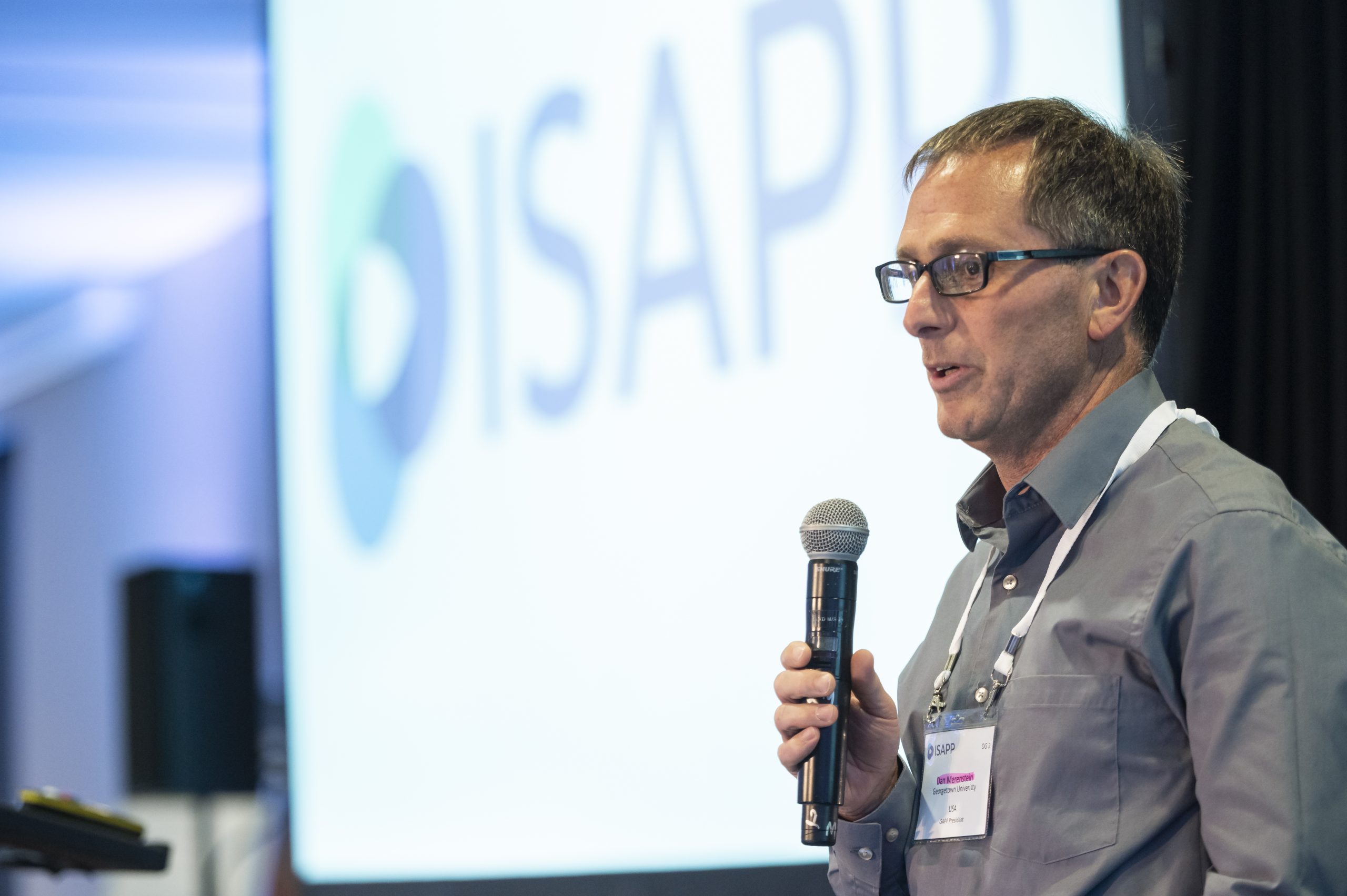
ISAPP Board Member Prof. Dan Merenstein MD Elected to National Academy of Medicine
A longtime ISAPP board member, Prof. Dan Merenstein MD of Georgetown University School of Medicine, has received a prestigious honor:…


