


Postbiotics

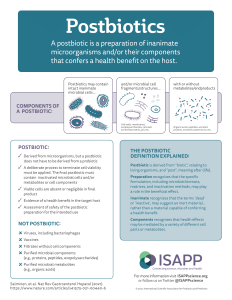
Postbiotics contain inactivated microbial cells or cell components, with or without metabolites.

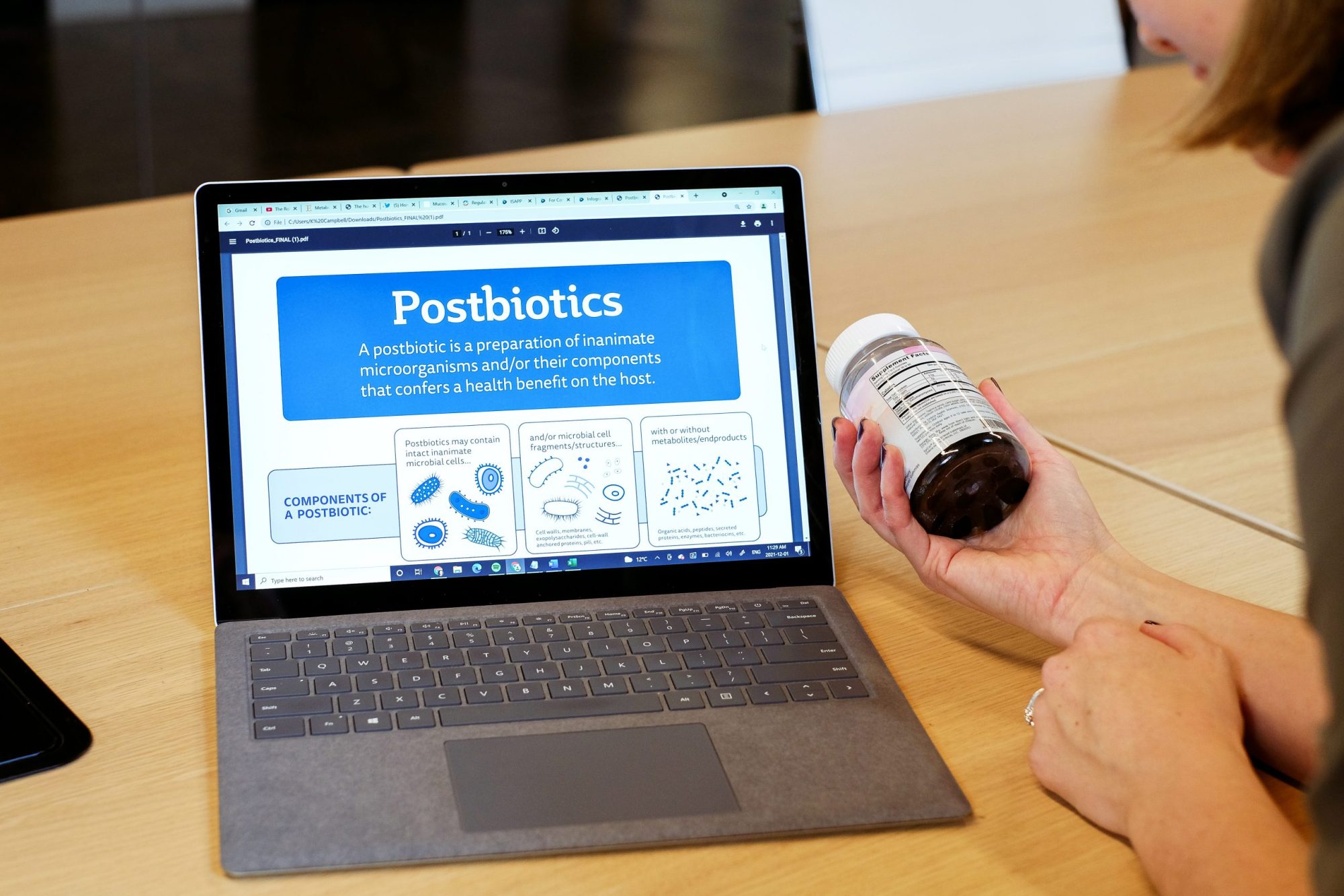
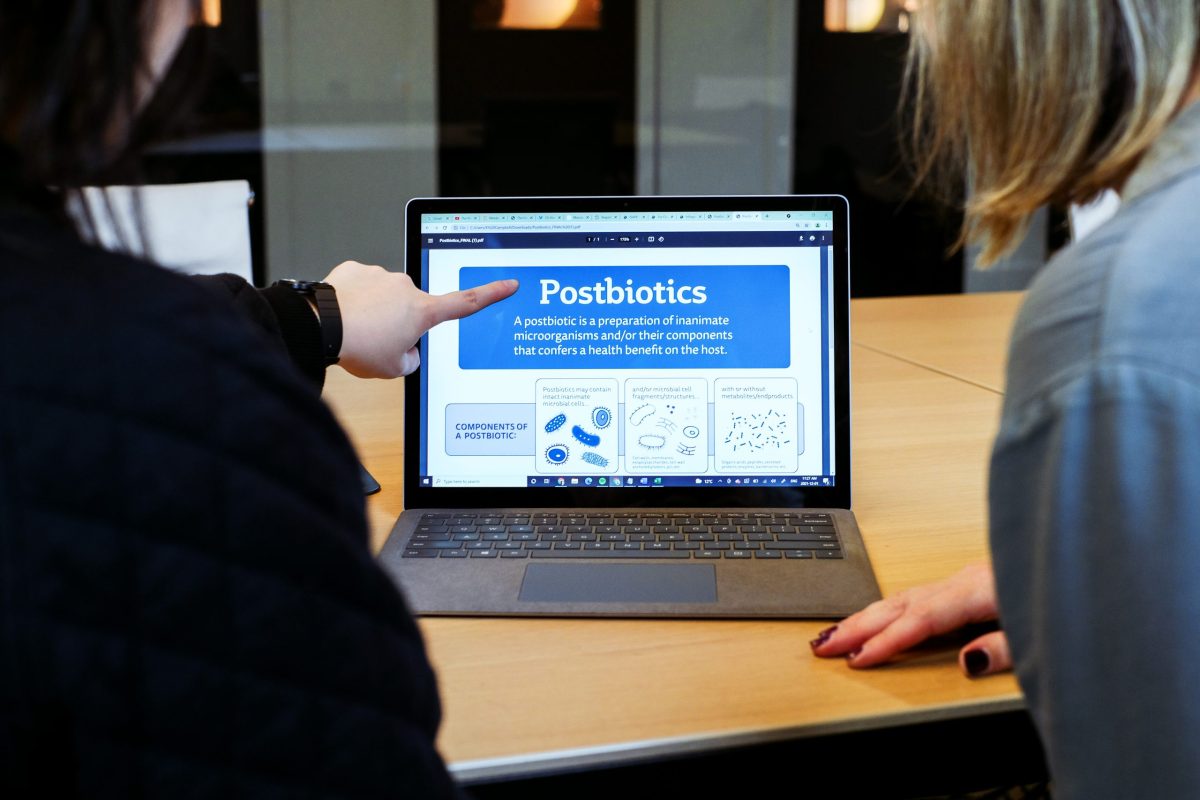
Microbes don’t have to be alive to have health benefits. A postbiotic is a preparation of inanimate microorganisms and/or their components that confers a health benefit on the host — in other words, whole or partial non-living microbes that can be consumed for their contribution to our health.

Postbiotics are often confused with metabolites (molecules produced by living microorganisms), but in reality metabolites by themselves do not qualify as postbiotics. To create a postbiotic, the living microbial cells must be deliberately killed or inactivated, and parts of the cells must remain in the preparation. The study of postbiotics is progressing rapidly within the field of biotics.

Featured

What’s New

More Resources on Postbiotics

1-10 of 31 results
  • 2024 in Review: Important Advances in Biotic and Microbiome Science

  • How do we know if a microbe is dead?

  • Postbiotics: A global perspective on regulatory progress

  • 2023 in Review: Highlights in the Field of Biotic Science

  • Clarifying the role of metabolites in the postbiotic definition

  • Postbiotics: debate continues and the ISAPP definition gains support

  • Looking back and looking ahead: ISAPP session focuses on the past, present, and future of the biotics field

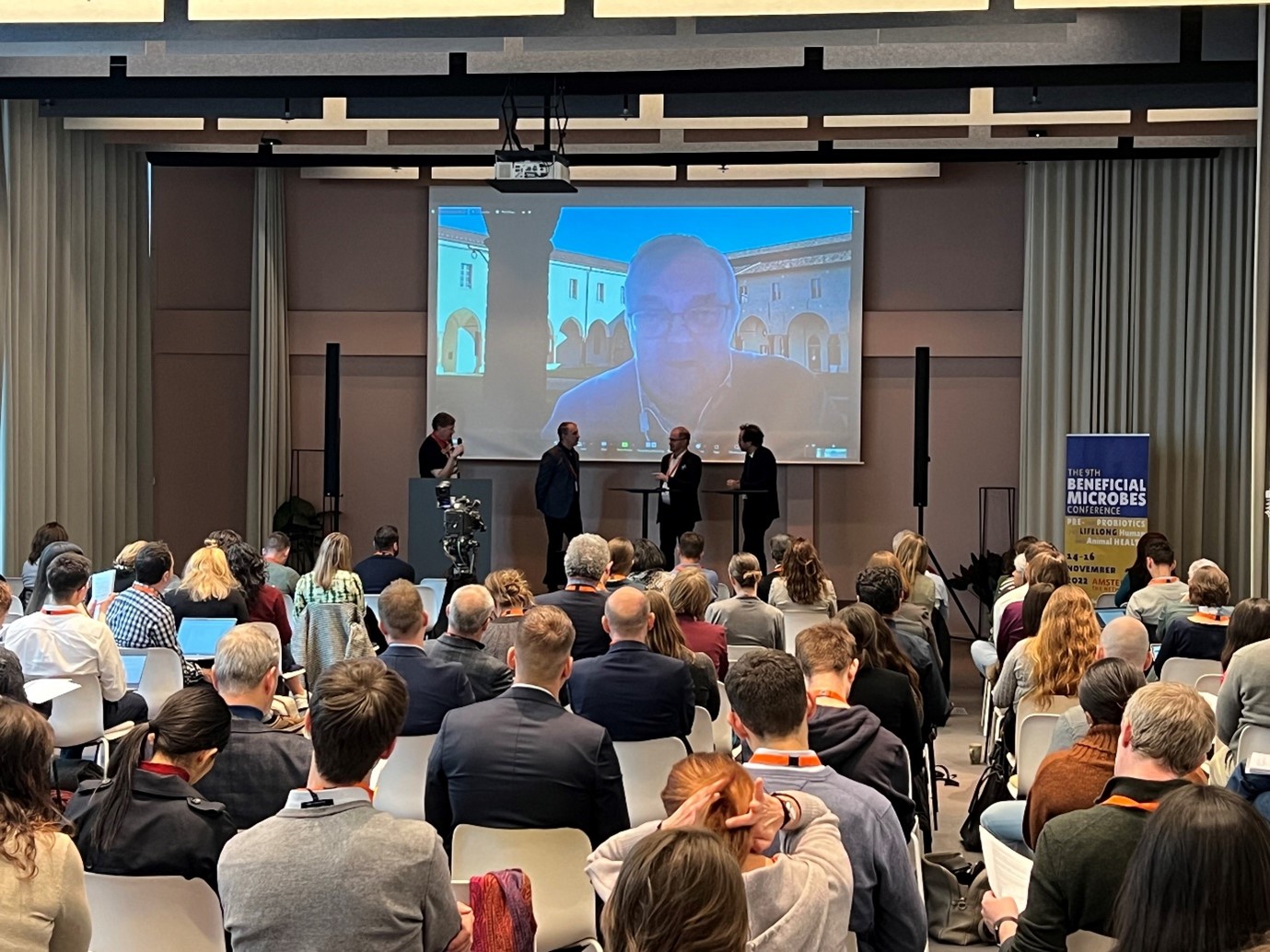
  • Definition of postbiotics: A panel debate in Amsterdam

  • ISAPP’s Guiding Principles for the Definitions of ‘Biotics’

  • Pasteurized Akkermansia muciniphila as a postbiotic: EFSA approval and beyond