Biotics, oral microbiota and potential for dental applications


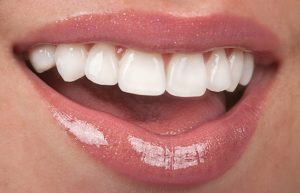
Dental caries are present in almost all of us globally. Conventional treatment or prevention strategies are most commonly based on eradication of all, not just cariogenic, oral microorganisms. The biotic approach offers potential for new biological intervention strategies aiming at restoring the natural oral microbiota and maintaining the balance by introducing beneficial biotic components into the oral cavity.
As human intervention studies are accumulating, we may see more health claims in this area in the future. Risk factors and causes of dental caries include high numbers of oral Streptococcus mutans in oral biofilms, acid production from sugars, plaque formation, and thickness of plaque, the end result of which impacts the DMFT (Decayed, Missing, and Filled Teeth) index. Therefore, targeting the biofilms should be a major strategy for reducing the risk of dental caries.
Probiotics for oral health benefits
Probiotics, the first well defined biotics (in definitions according to ISAPP) were a novel ingredient applied in early caries studies (1) including those by Prof. Jukka H. Meurman of Finland — a pioneer in the study of dental biofilms, oral microbiota and interventions with specific probiotics (see here: 2, 3). Following his work, many subsequent studies have successfully tested various biotic components in dentistry. Among the targets, probiotics have been assessed for impacts on oral microbiota composition, adhesion to oral mucosa, competition for adhesion sites, and displacement of already adherent potential pathogens (4). In addition to caries prevention, probiotics have also demonstrated efficacy in the maintenance of periodontal health, such as the use of Lactobacillus reuteri-containing lozenges in navy sailors at sea for extended periods (5). Such probiotic studies have also revealed many of the mechanisms which may be shared with other biotics.
Xylitol and other prebiotics
One of the first approved health claims in the prebiotic area evaluated by European Food Safety Authority (EFSA) was xylitol as an ingredient reducing the risk of caries (6) when consumed daily in chewing gum. Elegant human studies (7) demonstrated changes in risk factors including reduction in Streptococcus mutans levels and balancing the pH of the oral cavity, as well as favourable changes in DMFT index. Although adaptation of microbes to different substrates has been reported, S. mutans has not been able to adapt to xylitol as carbon source, thus preventing acid formation. Later, similar properties were demonstrated with other polyols and more information on the role of prebiotics for supporting oral and nasopharyngeal microbiota is now available (see 8, 9).
Combining ingredients to create synbiotics
Several combinations falling within the ISAPP definition of synbiotics have been used with promising mechanistic results so far, including microbiota modulation and prevention of pH lowering. Combinations with carbohydrates (e.g. galactooligosaccharides) and probiotics have demonstrated properties allowing formulation of products for human intervention studies (10).
Non-living bacteria for oral health benefits
Defined by ISAPP, postbiotics (11) have been of keen interest both scientifically and commercially, in part due to their technological properties for product formulation. Postbiotic applications for oral health have focused on good acid-base and thermal stability in different product formats including lozenges, toothpastes and dairy products. Many studies are underway at the moment, with results expected soon.
References
(1) Näse L, Hatakka K, Savilahti E, Saxelin M, Pönkä A, Poussa T, Korpela R, Meurman JH. Effect of long-term consumption of a probiotic bacterium, Lactobacillus rhamnosus GG, in milk on dental caries and caries risk in children. Caries Res. 2001 Nov-Dec;35(6):412-20. doi: 10.1159/000047484.
(2) Ahola AJ, Yli-Knuuttila H, Suomalainen T, Poussa T, Ahlström A, Meurman JH, Korpela R. Short-term consumption of probiotic-containing cheese and its effect on dental caries risk factors. Arch Oral Biol. 2002 Nov;47(11):799-804. doi: 10.1016/s0003-9969(02)00112-7.
(3) Meurman JH, Antila H, Korhonen A, Salminen S. Effect of Lactobacillus rhamnosus strain GG (ATCC 53103) on the growth of Streptococcus sobrinus in vitro. Eur J Oral Sci. 1995 Aug;103(4):253-8. doi: 10.1111/j.1600-0722.1995.tb00169.x.
(4) Homayouni Rad A, Pourjafar H, Mirzakhani E. A comprehensive review of the application of probiotics and postbiotics in oral health. Front Cell Infect Microbiol. 2023 Mar 8;13:1120995. doi: 10.3389/fcimb.2023.1120995.
(5) Schlagenhauf U, Rehder J, Gelbrich G, Jockel-Schneider Y. Consumption ofLactobacillus reuteri-containing lozenges improves periodontal health in navy sailors at sea: A randomized controlled trial. J Periodontol. 2020 Oct;91(10):1328-1338. doi: 10.1002/JPER.19-0393. Epub 2020 Feb 26.
(6) Scientific Opinion of the Panel on Dietetic Products, Nutrition and Allergies on a request from LEAF Int, Leaf Holland and Leaf Suomi Oy on the scientific substantiation of a health claim related to xylitol chewing gum/pastilles and reduce the risk of tooth decay. The EFSA Journal (2008) 852, 1-15.
(7) Scheinin A, Mäkinen KK, Tammisalo E, Rekola M. Turku sugar studies XVIII. Incidence of dental caries in relation to 1-year consumption of xylitol chewing gum. Acta Odontol Scand. 1975;33(5):269-78. doi: 10.3109/00016357509004632.
(8) EFSA Panel on Dietetic Products, Nutrition and Allergies (NDA); Scientific Opinion on the substantiation of health claims related to the sugar replacers xylitol, sorbitol, mannitol, maltitol, lactitol, isomalt, erythritol, isomaltulose, sucralose and polydextrose and maintenance of tooth mineralisation by decreasing tooth demineralisation (ID 463, 464, 563, 618, 647, 1182, 1591, 2907, 2921, 4300), and reduction of post-prandial glycaeresponses (ID 617, 619, 669, 1590, 1762, 2903, 2908, 2920) pursuant to Article 13(1) of Regulation (EC) No 1924/2006. EFSA Journal
2011;9(4):2076.
(9) Luo SC, Wei SM, Luo XT, Yang QQ, Wong KH, Cheung PCK, Zhang BB. How probiotics, prebiotics, synbiotics, and postbiotics prevent dental caries: an oral microbiota perspective. NPJ Biofilms Microbiomes. 2024 Feb 24;10(1):14. doi: 10.1038/s41522- 024-00488-7.
(10) Bijle MN, Ekambaram M, Lo ECM, Yiu CKY. Synbiotics in caries prevention: A scoping review. PLoS One. 2020 Aug 12;15(8):e0237547. doi: 10.1371/journal.pone.0237547.
(11) Salminen S, Collado MC, Endo A, Hill C, Lebeer S, Quigley EMM, Sanders ME, Shamir R, Swann JR, Szajewska H, Vinderola G. The International Scientific Association of Probiotics and Prebiotics (ISAPP) consensus statement on the definition and scope of postbiotics. Nat Rev Gastroenterol Hepatol. 2021 Sep;18(9):649-667. doi: 10.1038/s41575-021-00440-6.