
ISAPP is your source for science-based resources, created and reviewed by experts in the field.
Looking for information you can trust on probiotics, prebiotics, synbiotics, postbiotics, fermented foods and more? Check out ISAPP’s resources for a wealth of accessible, reliable information specific to the field, and search according to the format or topic you need.
1-32 of 218 results
-
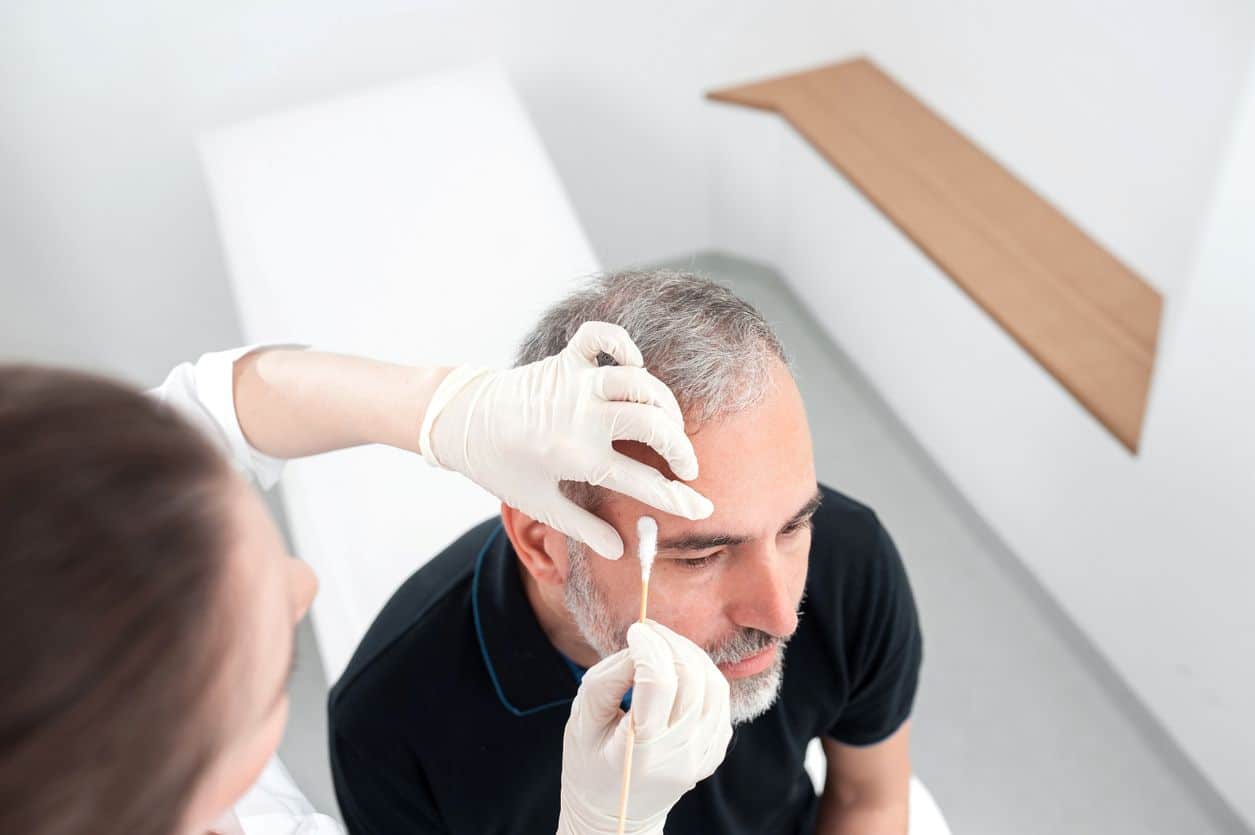
Expert insights into skin microbiome research and translation
Skin microbiome research is gaining momentum as researchers uncover its important and unique contributions to health and disease. -
Biofilms and specific bacteria in colorectal cancer development, with Prof. Cynthia L. Sears, MD
Prof. Cynthia L. Sears, MD from the Johns Hopkins University School of Medicine and the Bloomberg School of Public Health (USA), speaks about both biofilms and specific gut microorganisms that may contribute to colorectal cancer development. -
The early life gut microbiota in the developmental origins of health & disease, with Dr. Anne Salonen PhD
Dr. Anne Salonen PhD from University of Helsinki (Finland) speaks about her studies on the gut microbiota in early life and how it relates to health and disease. -
Factors affecting infant gut microbiota development, with Prof. Christopher Stewart PhD
Prof. Christopher Stewart PhD from Newcastle University (UK), speaks about the factors affecting gut microbiota development in both non-preterm and preterm infants. -

Probiotics with antibiotics: Let’s follow the evidence
In this blog, experts address a media article on probiotics with antibiotics and advocate for using evidence instead of weak but plausible-sounding recommendations. -
A mechanism linking the newborn skin microbiota to neurodevelopment, with Prof. Rihua Xie and Dr. Yuhang Zhang
Prof. Rihua Xie and Dr. Yuhang Zhang speak about vaginal microbiota transfer (VMT) and how it may affect neurodevelopment in newborn infants born by Cesarean section. -
Gut microbiota development in preterm and non-preterm infants, with Dr. Marie-Claire Arrieta PhD
This episode features Dr. Marie-Claire Arrieta PhD from the University of Calgary (Canada), speaking about development of the early life gut microbiome, both in preterm and non-preterm infants. Across the field, it has been established that the early days and months of an infant’s life are very determinant of immune system development as well as… -
Toward skin microbiome interventions for anti-aging and wound healing, with Prof. Hariom Yadav PhD
This episode features Prof. Hariom Yadav PhD, from the University of South Florida (USA), speaking about the skin microbiome and potential interventions for anti-aging and wound healing. Prof. Yadav noted that humans have a stable (core) microbiome on the surface of skin cells, plus a transient microbiome that depends on recent exposures. The skin microbiome… -
Inflammatory microbes on the skin, with Dr. Nathan Archer PhD
This episode features Dr. Nathan Archer PhD from Johns Hopkins Medicine (USA), speaking about the skin microbiome and particular microorganisms that cause inflammation. The skin is a dynamic organ with the main functions of keeping moisture in and keeping the environment out. Overall, the skin environment is not very welcoming to microorganisms but some have… -
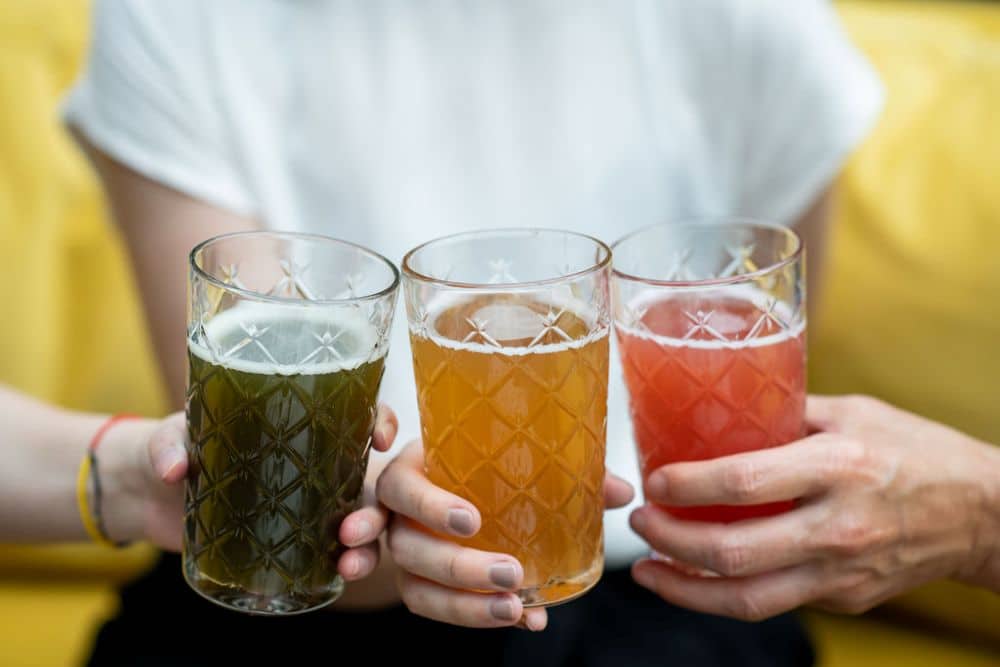
Alcohol in fermented foods: Considerations for pregnancy and childhood
Typical health recommendations advise not consuming alcohol during pregnancy or during childhood up to the age of 18. Yet some fermented foods contain alcohol. What does the science reveal about resolving this contradiction? -
Biotics, oral microbiota and potential for dental applications
Prof. Seppo Salminen writes that the biotic approach offers potential for new biological intervention strategies in dentistry, aimed at restoring the natural oral microbiota and maintaining the balance by introducing beneficial biotic components into the oral cavity. -
The skin microbiome’s role in atopic dermatitis, with Dr. Maria Teresa García-Romero, MD MPH
Dr. Maria Teresa García-Romero, MD MPH from the National Institute of Pediatrics in Mexico City talks about the skin microbiome and how it relates to atopic dermatitis. -
An introduction to skin microbiome research, with Dr. Aayushi Uberoi PhD
This episode features Dr. Aayushi Uberoi PhD from Washington University in St. Louis (USA), speaking about the skin microbiome and various techniques for studying it. The skin is a reactive interface that protects the body, with the skin on various parts of the body looking very different because of stratifications in the epithelial layers and… -

Fido Needs an Antibiotic: Are There Strategies to Maintain Gut Integrity and Restore Gut Microbiota?
Despite their risks and complications, antimicrobials have their role in managing canine diarrhea and gastrointestinal enteropathies. So, what can be done to minimize the negative effects that they have on stool quality and microbial disruption? -
ISAPP’s scientific consensus definition of gut health
Gut health is a commonly used term that previously had no scientific definition. In the paper, the group defines gut health as: “a state of normal gastrointestinal function without active gastrointestinal disease and gut-related symptoms that affect quality of life”. -

How do you know whether your gut microbiome is in good shape?
Scientists know gut microorganisms were interconnected with gut health and overall health in multiple ways. But how do you know if you have a healthy microbiome? Today, we not only know which microbes are there, but we’ve also learned a lot about what they do, and how they influence our digestion, immunity and even mental health. -
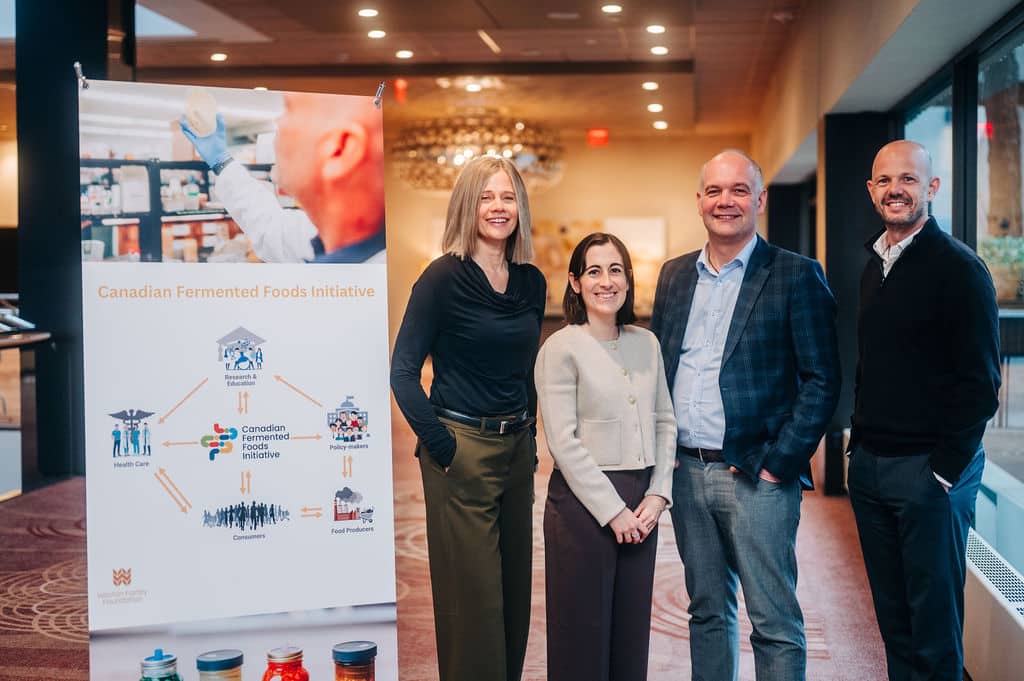
Canada’s Fermented Foods Initiative Hosts Inaugural Workshop: A Cross-Sector Conversation Begins
Toronto hosted the inaugural workshop of the Canadian Fermented Foods Initiative (CFFI), a new effort designed to support and advance research, education and innovation on fermented foods in Canada. -
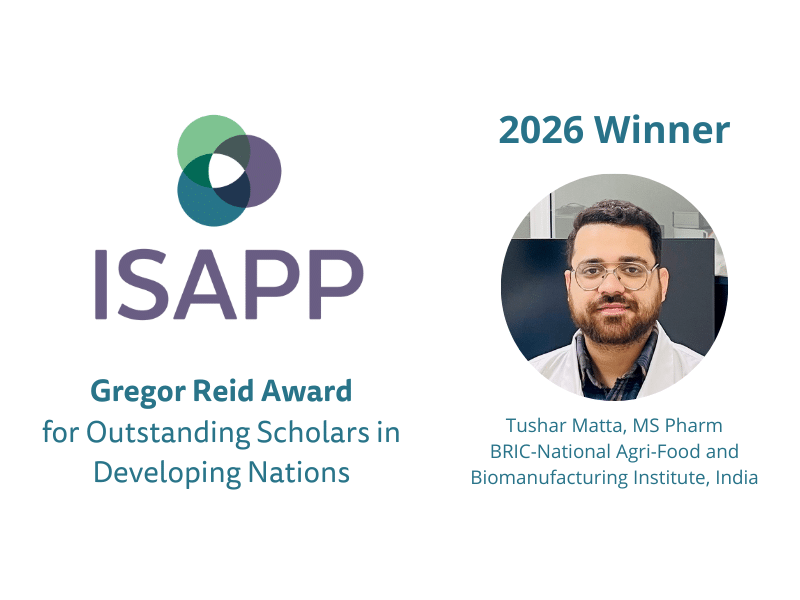
2026 Gregor Reid Award for Outstanding Scholars in Developing Nations Goes to Gut-Brain Researcher Tushar Matta, MS Pharm
The selection committee for the Gregor Reid Award for Outstanding Scholars in Developing Nations has announced this year’s winner: Tushar Matta, MS Pharm. -
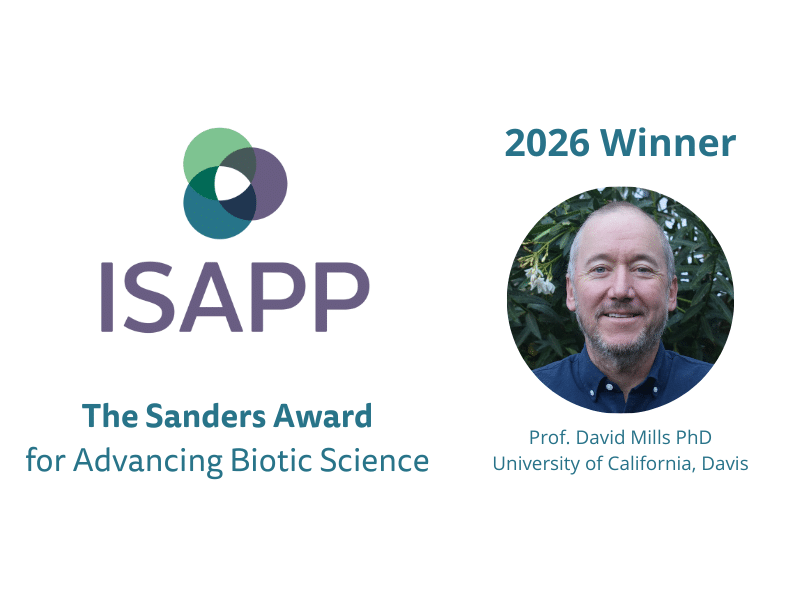
2026 Sanders Award for Advancing Biotic Science Given to Prof. David Mills of UC Davis
The ISAPP board of directors is pleased to announce the selection of the winner of the 2026 Sanders Award for Advancing Biotic Science: Prof. David Mills PhD, a Distinguished Professor and researcher at University of California, Davis, USA. -
2025 highlights in biotic science
This special year-end episode, which covers 2025’s highlights in biotic science, features three of the academic scientists who serve on the ISAPP board of directors: Prof. Maria Marco PhD from University of California, Davis (USA), Prof. Sarah Lebeer PhD from University of Antwerp (Belgium), and Dr. Gabriel Vinderola PhD from National University of Litoral (Argentina)…. -
What happens when you eat fiber, and why you should eat more
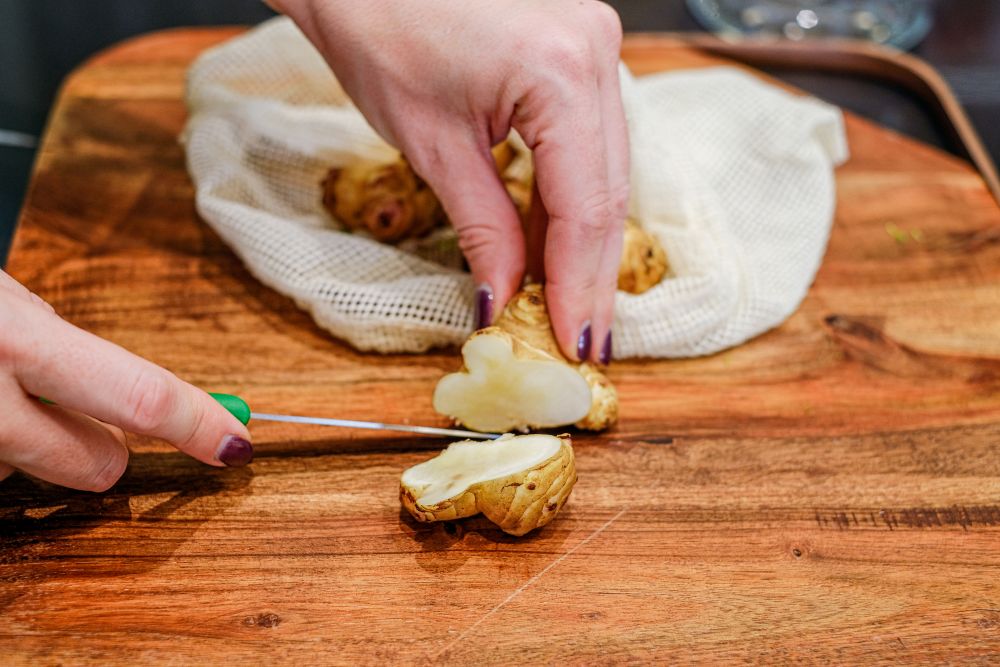
In recent years much research has been done determining that the products of a healthy gut microbiota also have health benefits way beyond the gut. -
Modeling the nutrient niche to boost biotic consistency and efficacy
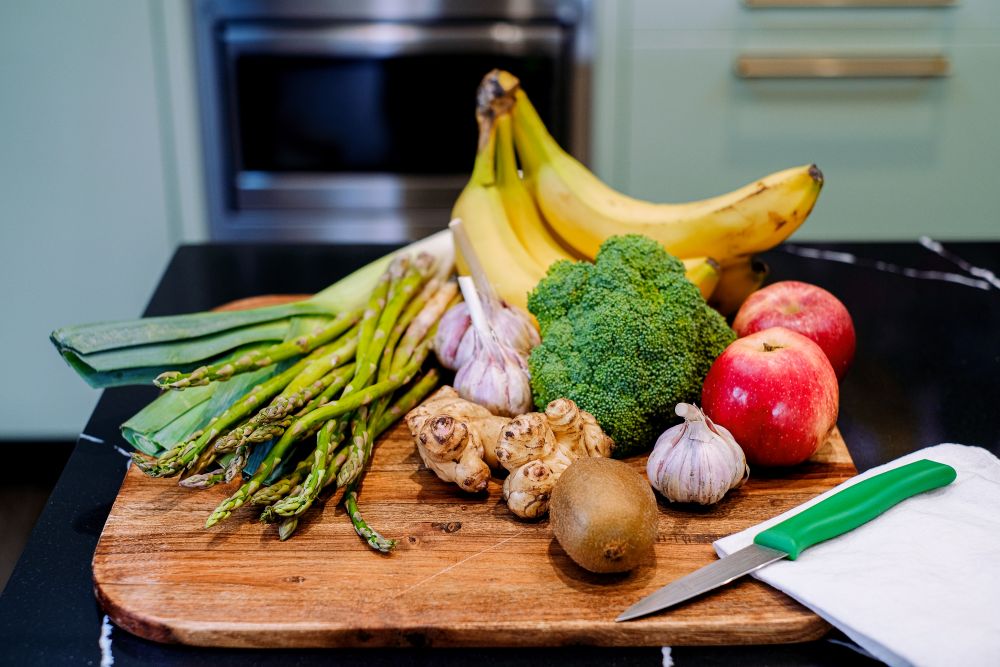
Two recent studies used advanced computational approaches to conclude that nutrients are among the most important determinants of an intestinal microbial community’s response to challenges. -
Dietary management of chronic constipation, with Dr. Eirini Dimidi PhD RD
This episode features Dr. Eirini Dimidi PhD RD from King’s College London (UK), speaking about the recently published British Dietetic Association’s guidelines for dietary management of chronic constipation. Constipation can be a major concern for patients, but evidence around some of the most common dietary recommendations for addressing it has remained unclear. After a thorough… -
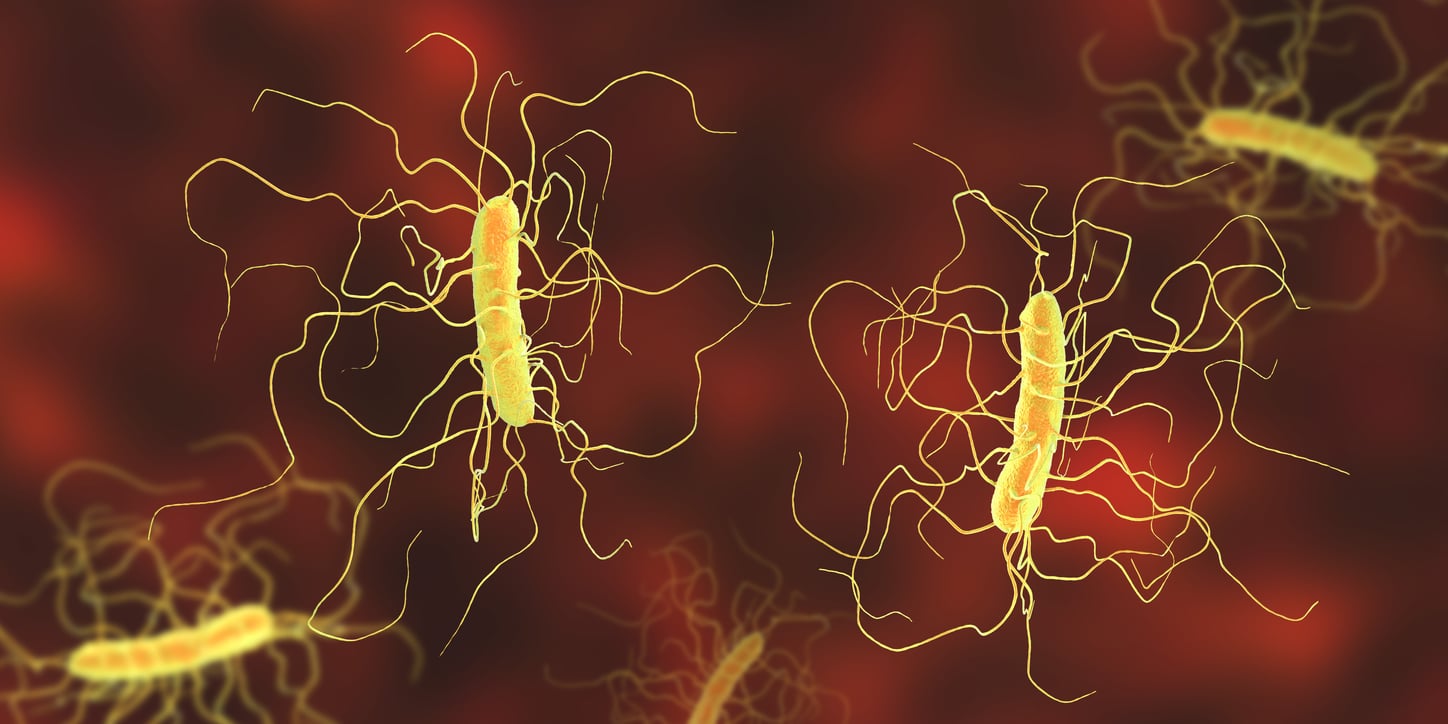
Emerging clinical insights into C. difficile infection from gut microbiota research
In recent years the clinical status and spectrum of C. difficile infection have shifted. The prevalence of this infection has risen sharply. Along with changes that have occurred in the clinical patterns of this disorder, research on the gut microbiome has provided insights into the important factors that contribute to the infection. -
How ecological dynamics affect pathogens in the gut, with Prof. Kevin Foster PhD
This episode features Prof. Kevin Foster PhD from University of Oxford (UK), speaking about his lab’s ecological approach to the gut microbiome and efforts to understand and predict dynamics of different species in the microbiome. They also focus on how these ecological dynamics map onto health outcomes, and how they inform interventions. In a 2023… -
Applying the tools of ecology to manage microbiomes in people with cancer, with Dr. Joao Xavier PhD
This episode features Dr. Joao Xavier PhD, a systems biologist from Memorial Sloan Kettering Cancer Center, speaking about the application of ecological principles and tools to individuals being treated for cancer. His lab combines multi-omics profiling with ecological models to generate insights on how microbes interact with each other, for application to clinical risk prediction… -
Insights from evolutionary ecology on microbiome assembly and modulation, with Prof. Jens Walter PhD
This episode features Prof. Jens Walter PhD, a microbial ecologist from University College Cork / APC Microbiome Ireland, explaining how he applies ecological and evolutionary frameworks for the purposes of understanding and modulating microbiomes. Although there appears to be a high amount of stochasticity (or randomness) in microbiomes, stochastic and deterministic elements work together to… -
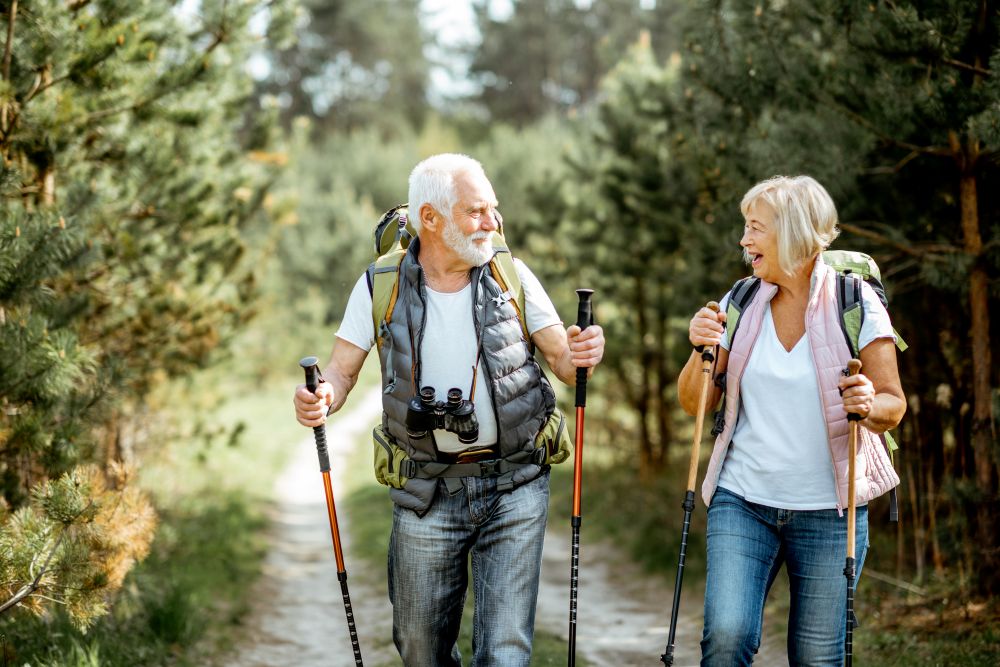
Insights into healthy aging: A story as told by gut microbiome (and other) metabolites
Metabolites, including those derived from the gut microbiome, offer a window into the complex biology of aging. They reflect not just how we live, but how well our bodies are adapting to the passage of time. -
Highlighted Posters from the 2025 ISAPP Annual Meeting
In this second special episode about ISAPP’s annual meeting, held in Banff (Canada) in July 2025, Executive Director Marla Cunningham introduces the four highest-scoring posters from the poster session. Four speakers, all members of the ISAPP Students and Fellows association (SFA), join the podcast to describe the work they presented via poster at the meeting:… -
Highlighted Talks from the 2025 ISAPP Annual Meeting
In this special episode, ISAPP’s Executive Director Marla Cunningham highlights ISAPP’s annual meeting, held in Banff, Canada in July 2025. Four speakers join the podcast to describe their talks from the meeting: Episode abbreviations and links: About our speakers: Carolina Tropini, University of British Columbia, Canada Dr. Carolina Tropini is an Assistant Professor at the… -

ISAPP welcomes two new scientists to its board of directors
The ISAPP board of directors is pleased to welcome two prominent scientists and frequent ISAPP collaborators to its ranks: Prof…. -
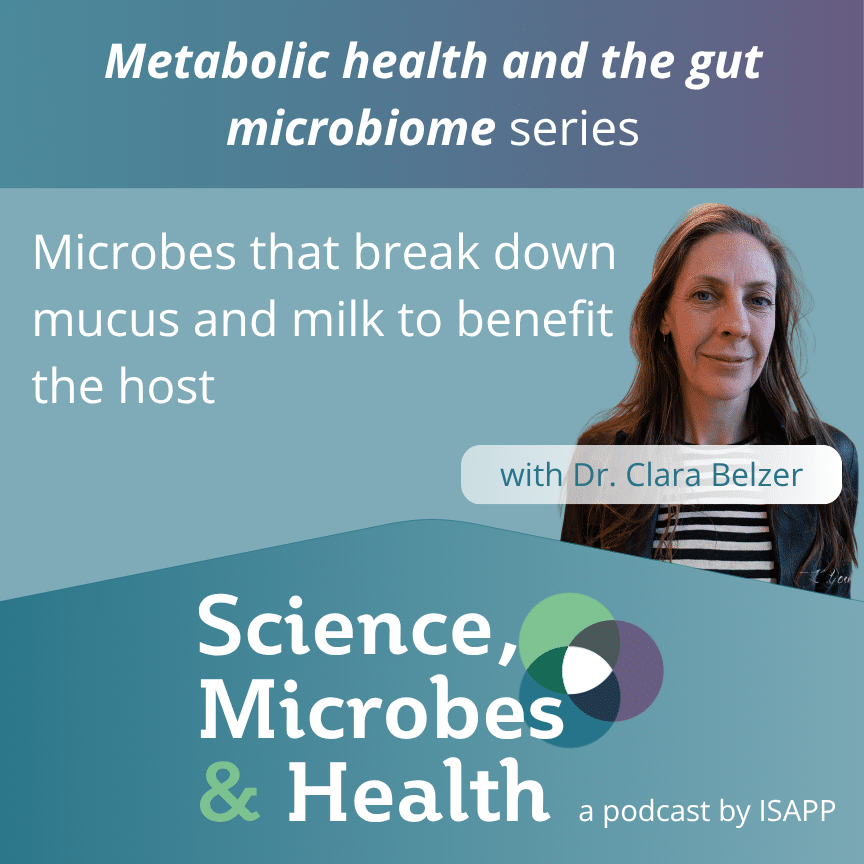
Archive Highlight: Microbes that break down mucus and milk to benefit the host, with Dr. Clara Belzer PhD
We discuss microbes, mucus, and milk with Dr. Clara Belzer PhD from Wageningen University in the Netherlands in this episode. Dr. Belzer, a molecular geneticist, specializes in studying the microorganisms that are equipped to break down the glycans in mucus and human milk within the host environment. Key topics from this episode: Episode abbreviations and links: About…


