
Probiotics with antibiotics: Let’s follow the evidence
In this blog, experts address a media article on probiotics with antibiotics and advocate for using evidence instead of weak but plausible-sounding recommendations.
To meet the criteria for probiotics, live microorganisms must be tested and shown to have a health benefit.
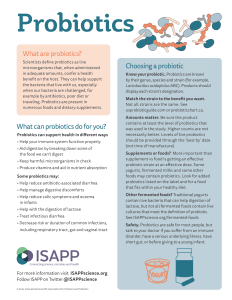
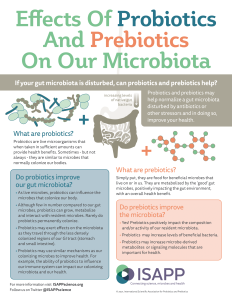
Probiotics are live microorganisms that, when administered in adequate amounts, confer a health benefit. Probiotics can support health in different ways, such as helping your immune system function properly, aiding in digestion or increasing nutrient absorption. Additionally, some probiotics may help reduce certain digestive symptoms such as antibiotic-associated diarrhea.
To be a probiotic, a microorganism must be alive when administered, must be documented to have a health benefit and must be administered at high enough levels to confer the benefit.
Different strains have different effects, as shown in scientific studies. If you’re generally healthy, probiotics are likely to be safe. But if you have a serious medical condition – especially one involving the gastrointestinal tract or deficient immune system – then you should talk to your doctor before consuming probiotics.