
ISAPP is your source for science-based resources, created and reviewed by experts in the field.
Looking for information you can trust on probiotics, prebiotics, synbiotics, postbiotics, fermented foods and more? Check out ISAPP’s resources for a wealth of accessible, reliable information specific to the field, and search according to the format or topic you need.
1-32 of 171 results
-

Alcohol in fermented foods: Considerations for pregnancy and childhood
Typical health recommendations advise not consuming alcohol during pregnancy or during childhood up to the age of 18. Yet some fermented foods contain alcohol. What does the science reveal about resolving this contradiction? -
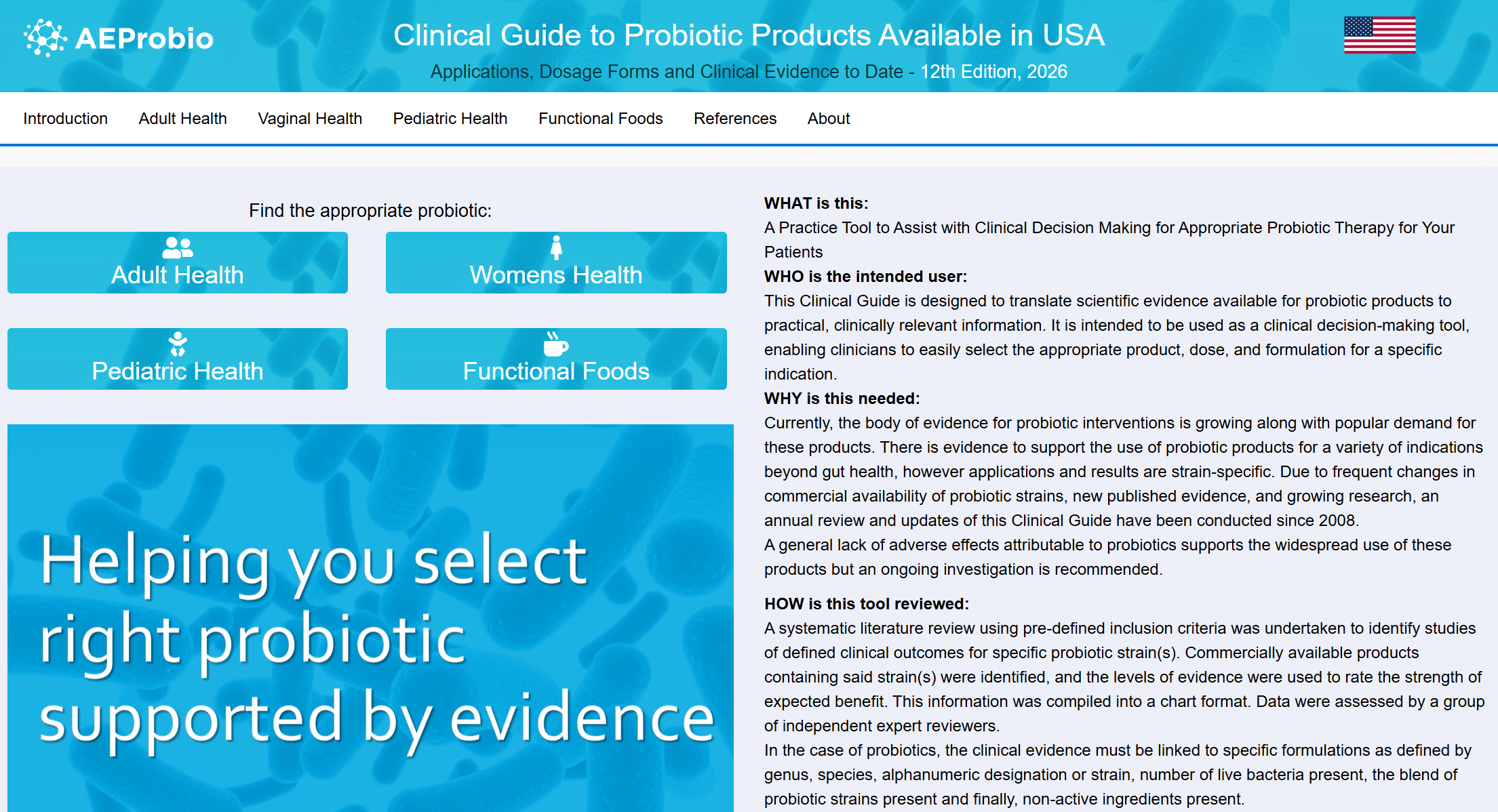
Clinical Guide to Probiotic Products Available in USA
This guide is a practice tool for health professionals to assist with clinical decision making around appropriate probiotic recommendations for patients in the USA. -
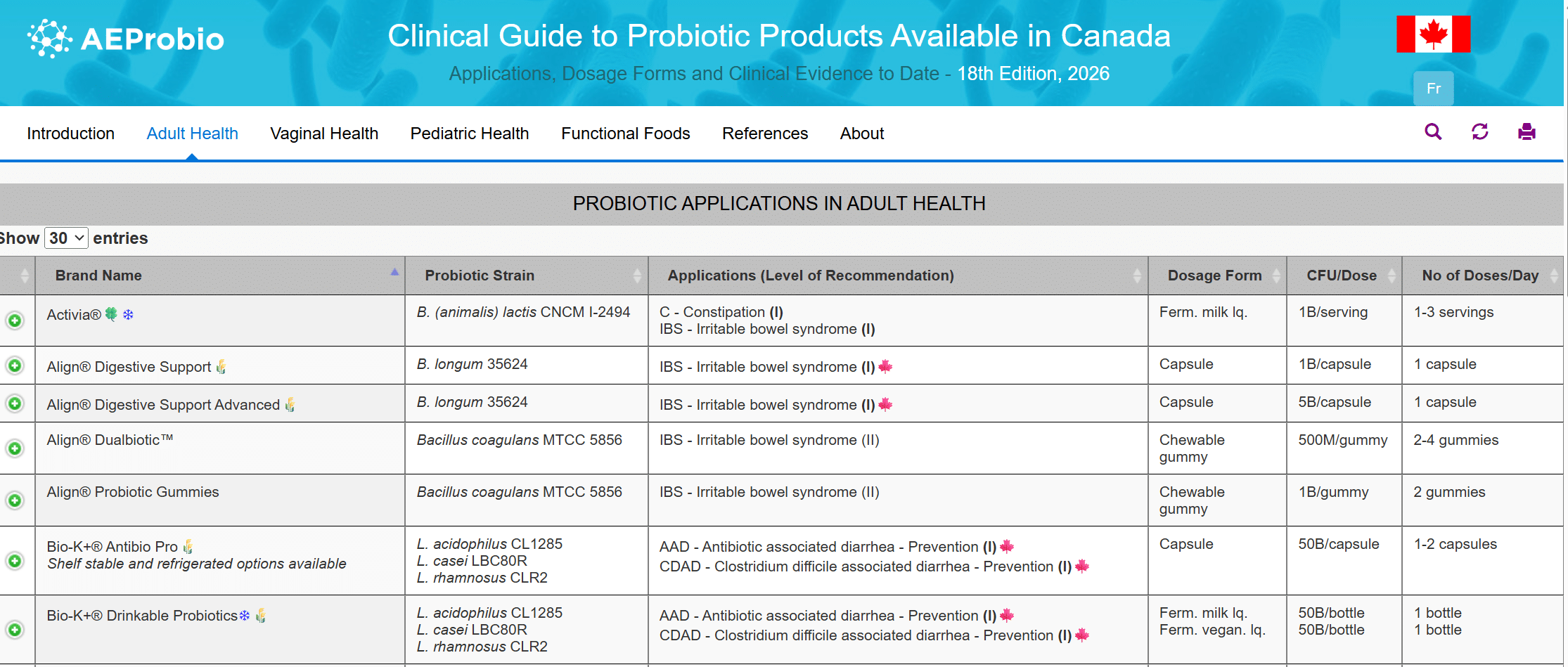
Clinical Guide to Probiotic Products Available in Canada
This guide is a practice tool for health professionals to assist with clinical decision making around appropriate probiotic recommendations for patients. -

Biotics, oral microbiota and potential for dental applications
Prof. Seppo Salminen writes that the biotic approach offers potential for new biological intervention strategies in dentistry, aimed at restoring the natural oral microbiota and maintaining the balance by introducing beneficial biotic components into the oral cavity. -
The skin microbiome’s role in atopic dermatitis, with Dr. Maria Teresa García-Romero, MD MPH
Dr. Maria Teresa García-Romero, MD MPH from the National Institute of Pediatrics in Mexico City talks about the skin microbiome and how it relates to atopic dermatitis. -
An introduction to skin microbiome research, with Dr. Aayushi Uberoi PhD
Gut health is a commonly used term that previously had no scientific definition. In the paper, the group defines gut health as: “a state of normal gastrointestinal function without active gastrointestinal disease and gut-related symptoms that affect quality of life”. -
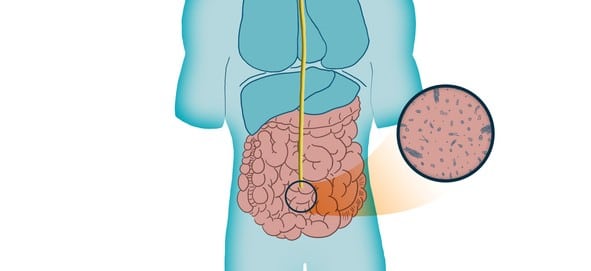
The International Scientific Association for Probiotics and Prebiotics (ISAPP) consensus statement on the definition and scope of gut health
A panel of experts evaluated the term gut health in the context of the central role of the gastrointestinal tract in health and overall well-being and proposed a definition of gut health as “a state of normal gastrointestinal function without active gastrointestinal disease and gut-related symptoms that affect quality of life”. -

Fido Needs an Antibiotic: Are There Strategies to Maintain Gut Integrity and Restore Gut Microbiota?
Despite their risks and complications, antimicrobials have their role in managing canine diarrhea and gastrointestinal enteropathies. So, what can be done to minimize the negative effects that they have on stool quality and microbial disruption? -
ISAPP’s scientific consensus definition of gut health
Gut health is a commonly used term that previously had no scientific definition. In the paper, the group defines gut health as: “a state of normal gastrointestinal function without active gastrointestinal disease and gut-related symptoms that affect quality of life”. -
2025 highlights in biotic science
This special year-end episode, which covers 2025’s highlights in biotic science, features three of the academic scientists who serve on the ISAPP board of directors: Prof. Maria Marco PhD from University of California, Davis (USA), Prof. Sarah Lebeer PhD from University of Antwerp (Belgium), and Dr. Gabriel Vinderola PhD from National University of Litoral (Argentina)…. -
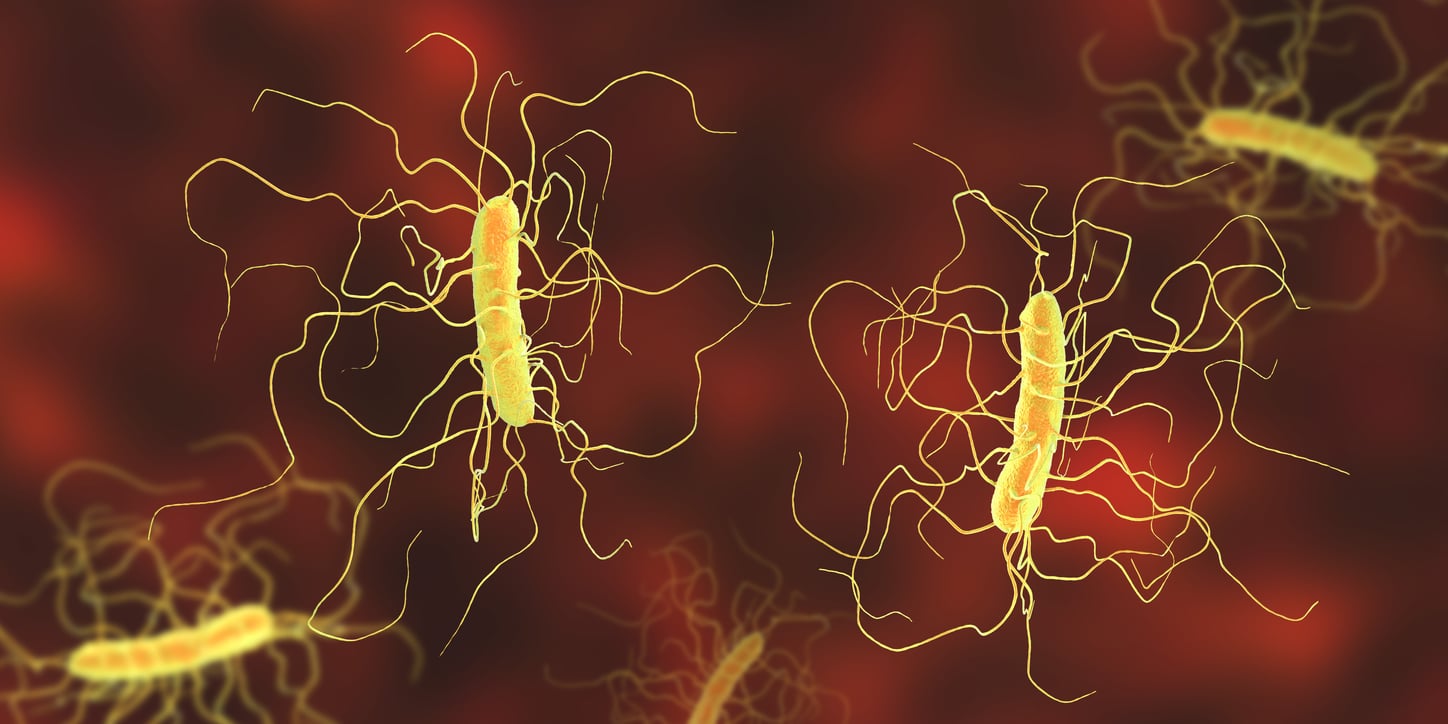
Emerging clinical insights into C. difficile infection from gut microbiota research
In recent years the clinical status and spectrum of C. difficile infection have shifted. The prevalence of this infection has risen sharply. Along with changes that have occurred in the clinical patterns of this disorder, research on the gut microbiome has provided insights into the important factors that contribute to the infection. -

Insights into healthy aging: A story as told by gut microbiome (and other) metabolites
Metabolites, including those derived from the gut microbiome, offer a window into the complex biology of aging. They reflect not just how we live, but how well our bodies are adapting to the passage of time. -

ISAPP welcomes two new scientists to its board of directors
The ISAPP board of directors is pleased to welcome two prominent scientists and frequent ISAPP collaborators to its ranks: Prof…. -
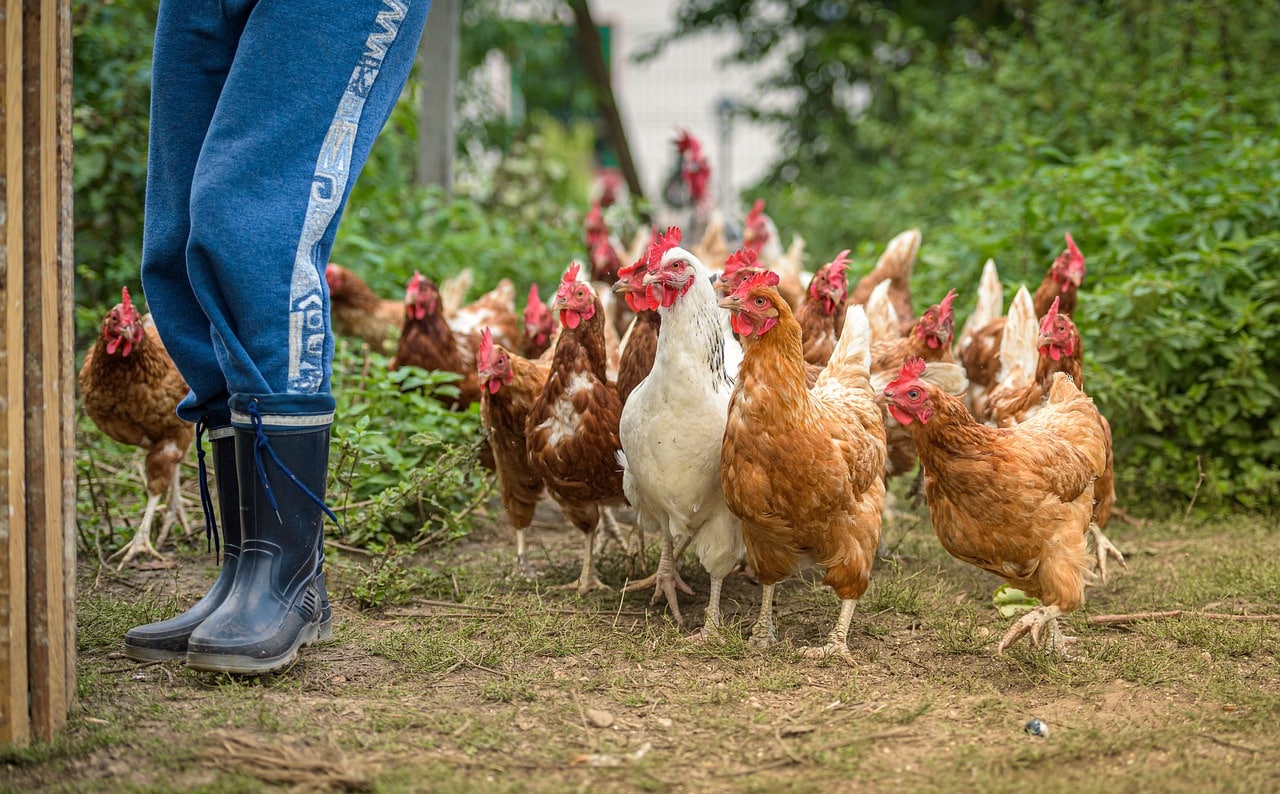
Five points to know about biotics for animals, from an ISAPP-led paper
A group of animal health experts, comprising academic and industry member scientists convening at the 2023 ISAPP annual meeting, reviewed the evidence on biotics for animals, outlining what’s known to date and the likely future directions in this scientific field. -

Exploring resources to inform probiotic recommendations: New UK Probiotic Guide Released
Well-informed healthcare professionals know the importance of recommending evidence-based probiotic products to their patients to achieve specific health benefits. But… -
How to respond to the question “Should I take a probiotic?”
With contributions from Prof. Daniel Merenstein MD A Washington Post article published March 11, 2025 by a gastroenterologist addressed a… -

The Promise of Personalized Medicine
While the existence of responders and non-responders are evident in any clinical trial, today’s forward thinkers envision the next logical… -

ISAPP Board Member Prof. Dan Merenstein MD Elected to National Academy of Medicine
A longtime ISAPP board member, Prof. Dan Merenstein MD of Georgetown University School of Medicine, has received a prestigious honor:… -

Can Probiotics Prevent Respiratory Tract Infections in Infants and Children?
Imagine you are a primary care pediatrician practicing in an area where respiratory tract infections (RTIs) are particularly common during… -

Prebiotics: Does Delivery Format Matter?
By Kelly S. Swanson, PhD, University of Illinois Urbana-Champaign, USA Prebiotics (1) have long been appreciated for their benefits to… -

Expert Panel at ISAPP Annual Meeting Addresses Probiotic Use for Premature Infants
The use of probiotics in premature infants has been highly topical in recent months. Probiotic use for the prevention of… -
Can prebiotics benefit brain health in older adults? ISAPP experts weigh in on a recent study
With increasing age and frailty come changes in the gut microbiota – leading scientists to ask whether targeting the gut… -

A guide to the new FDA Qualified Health Claim for yogurt
Fermented foods such as yogurt, kimchi, and fermented pickles have traditionally been associated with health benefits in countries around the… -
Why responders and non-responders may not be the holy grail for biotics
In September the New York Times published an article titled “What Obesity Drugs and Antidepressants Have in Common“. It was… -

Probiotic Administration in Preterm Infants: Scientific Statement
Board of Directors, International Scientific Association for Probiotics and Prebiotics in collaboration with Dr. Geoffrey Preidis MD PhD, Pediatric Gastroenterology,… -

New global guidelines for probiotics and prebiotics for gut health and disease
The use of probiotics and prebiotics in the practice of gastroenterology must be guided by evidence – and with new… -
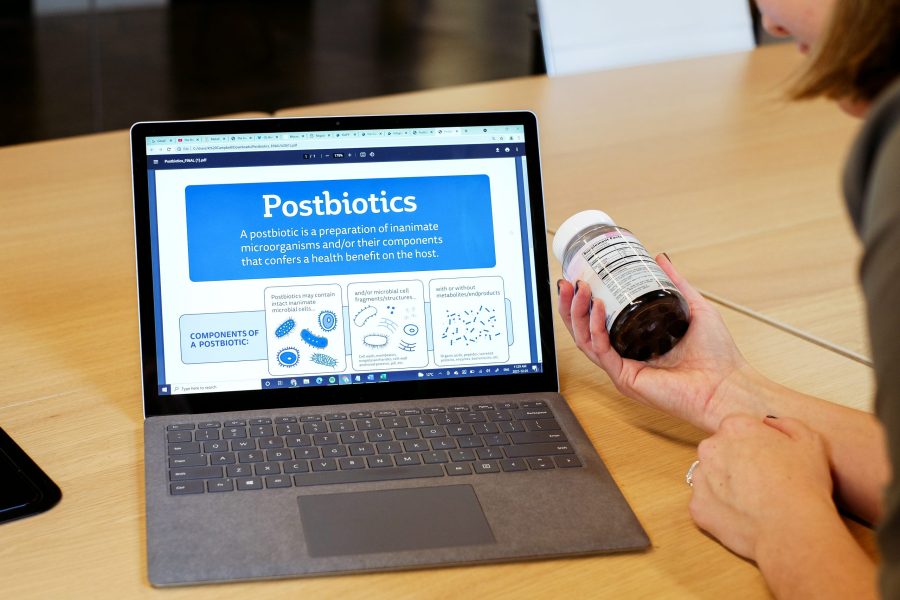
Popular media, misinformation and ‘biotics’
Encountering misinformation is all too easy when seeking understanding of probiotics, prebiotics, synbiotics, and postbiotics (collectively, ‘biotics’). It can be… -

Are the microbes in fermented foods safe? A microbiologist helps demystify live microbes in foods for consumers
Since very early in my career I was drawn to science communication. I feel that rather than just producing my… -

Probiotic Use in Horses: What is the Evidence?
By Kelly S. Swanson, PhD, The Kraft Heinz Company Endowed Professor in Human Nutrition, University of Illinois at Urbana-Champaign, USA… -
The many functions of human milk oligosaccharides: A Q&A with Prof. Ardythe Morrow
Human milk is the ‘gold standard’ of infant nutrition—and some scientists have set their sights on working towards that standard… -

Are probiotics effective in improving symptoms of constipation?
By Eirini Dimidi, PhD, Lecturer at King’s College London Constipation is a common disorder that affects approximately 8% of the… -
Human milk oligosaccharides as prebiotics to be discussed in upcoming ISAPP webinar
Human milk oligosaccharides (HMOs), non-digestible carbohydrates found in breast milk, have beneficial effects on infant health by acting as substrates…


