
ISAPP is your source for science-based resources, created and reviewed by experts in the field.
Looking for information you can trust on probiotics, prebiotics, synbiotics, postbiotics, fermented foods and more? Check out ISAPP’s resources for a wealth of accessible, reliable information specific to the field, and search according to the format or topic you need.
1-32 of 49 results
-
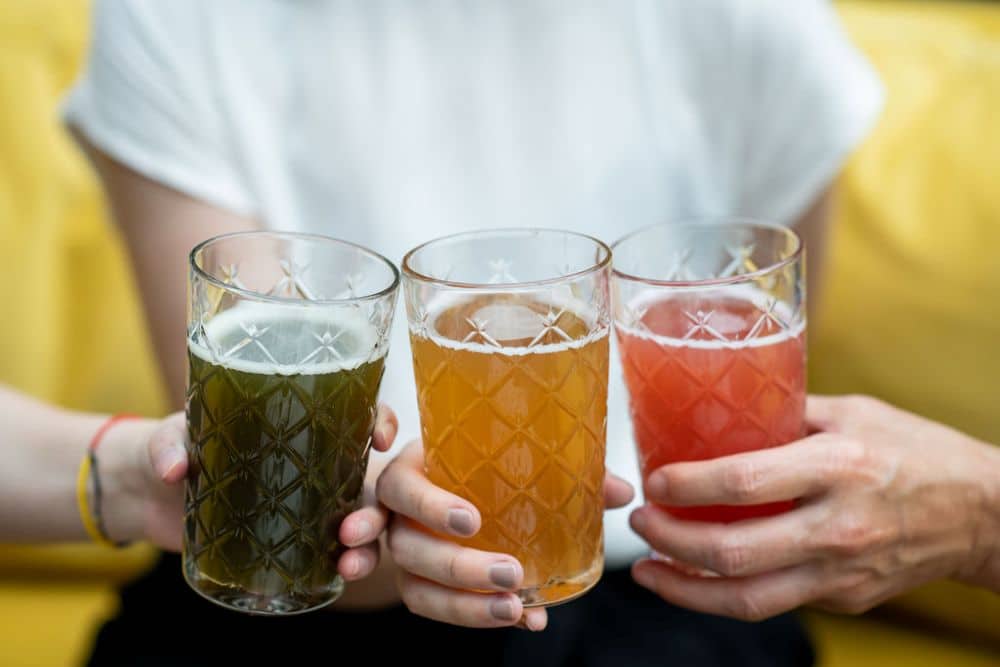
Alcohol in fermented foods: Considerations for pregnancy and childhood
Typical health recommendations advise not consuming alcohol during pregnancy or during childhood up to the age of 18. Yet some fermented foods contain alcohol. What does the science reveal about resolving this contradiction? -

Fido Needs an Antibiotic: Are There Strategies to Maintain Gut Integrity and Restore Gut Microbiota?
Despite their risks and complications, antimicrobials have their role in managing canine diarrhea and gastrointestinal enteropathies. So, what can be done to minimize the negative effects that they have on stool quality and microbial disruption? -
Insights from evolutionary ecology on microbiome assembly and modulation, with Prof. Jens Walter PhD
This episode features Prof. Jens Walter PhD, a microbial ecologist from University College Cork / APC Microbiome Ireland, explaining how he applies ecological and evolutionary frameworks for the purposes of understanding and modulating microbiomes. Although there appears to be a high amount of stochasticity (or randomness) in microbiomes, stochastic and deterministic elements work together to… -

Insights into healthy aging: A story as told by gut microbiome (and other) metabolites
Metabolites, including those derived from the gut microbiome, offer a window into the complex biology of aging. They reflect not just how we live, but how well our bodies are adapting to the passage of time. -

ISAPP welcomes two new scientists to its board of directors
The ISAPP board of directors is pleased to welcome two prominent scientists and frequent ISAPP collaborators to its ranks: Prof…. -
Diet and gut microbiome contributions to host energy balance, with Dr. Karen Corbin PhD RD
This episode features Dr. Karen Corbin PhD RD from AdventHealth Translational Research Institute (USA), speaking about how the triad of diet, gut microbiome, and host characteristics contribute to energy balance as well as metabolic diseases. From the perspective of host physiology, she explores how to use diet to remodel the gut microbiome to impact energy… -
How to respond to the question “Should I take a probiotic?”
Two experts set the record straight on a media article about the benefits of probiotics. -
Archive Highlight: An evolutionary perspective on fermented foods, with Assoc. Prof. Katie Amato
Continuing in the series on the latest fermented food science, we are highlighting Episode 9 from our archives. In this episode, the ISAPP hosts talk about fermented foods and non-human primates with Katie Amato of Northwestern University, USA. Amato describes what she has learned from studying the gut microbiota of non-human primates and how it… -

How fermented foods can support health and sustainability, with Prof. Christophe Courtin PhD
In this episode, Prof. Christophe Courtin PhD from KU Leuven in Belgium discusses the potential of fermented foods to provide health benefits and create more sustainable food systems. His work focuses in particular on fermenting cereal grains as a way to create products with better properties or enhanced health impact. Fermentation is a form of… -
2024 highlights in biotic science, with ISAPP’s current and past Presidents
In this episode, ISAPP’s current President Prof. Maria Marco PhD and past President Prof. Dan Merenstein join the podcast hosts for a conversation about highlights in biotic science from the past year. Prof. Marco points out a paper published in Nature Microbiology, the result of an ISAPP discussion group exploring whether diet may be a… -
Archive Highlight: The role of microbes in gut-brain communication, with Prof. Emeran Mayer MD
Continuing our series on the microbiota-gut-brain axis, we are highlighting Episode 26 from our archives. In this episode, ISAPP podcast host Prof. Dan Tancredi PhD welcomes guest Prof. Emeran Mayer MD, a gastroenterologist and researcher at University of California Los Angeles. They talk about the microbiota-gut-brain axis, covering its evolutionary origins and how this complex… -

2023 in Review: Highlights in the Field of Biotic Science
By Kristina Campbell, Prof. Colin Hill PhD, Prof. Sarah Lebeer PhD, Prof. Maria Marco PhD, Prof. Dan Merenstein MD, Prof…. -
Bridging the Gap Between Probiotic and Microbiome Research
By Prof. Sarah Lebeer PhD, University of Antwerp, Belgium September was an eventful month for me, as I had the… -
Episode 27: Investigating the benefits of live dietary microbes
Investigating the benefits of live dietary microbes, with Prof. Colin Hill PhD and Prof. Dan Tancredi PhD Episode summary: In… -
Episode 27: Investigating the benefits of live dietary microbes
Prof. Colin Hill PhD from APC Microbiome Ireland / University College Cork and Prof. Dan Tancredi PhD from University of California – Davis talk about their recent work investigating the health benefits from consuming higher quantities of live dietary microbes. -
Episode 26: The role of microbes in gut-brain communication
Prof. Emeran Mayer MD, a gastroenterologist and researcher at University of California Los Angeles, talks about the microbiota-gut-brain axis, covering its evolutionary origins and how this complex system works in the human body to support overall health. -
Episode 24: Reflections on the probiotic field and ISAPP’s role
Dr. Mary Ellen Sanders PhD, ISAPP’s outgoing executive director, describes how ISAPP is a unique organization advancing the science in the field, highlights what she has enjoyed about being a part of the ISAPP community, and looks ahead to the future of the field. -
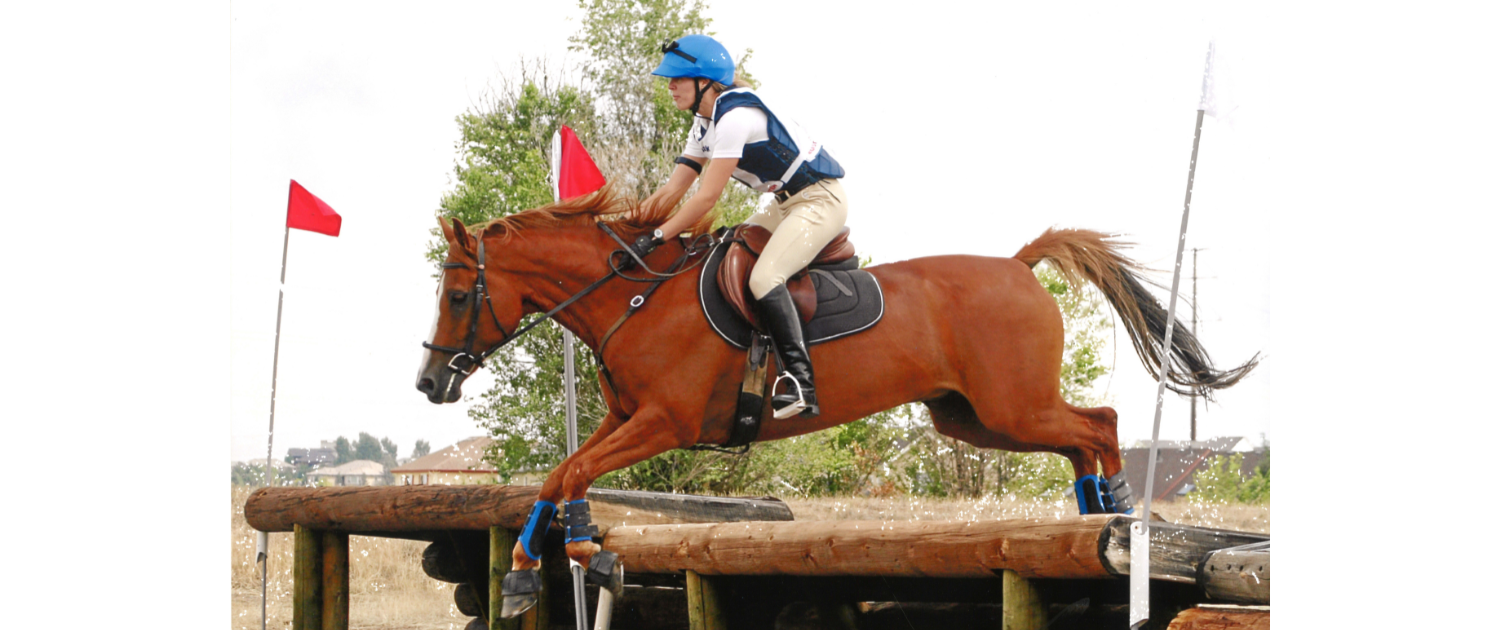
Probiotic Use in Horses: What is the Evidence?
By Kelly S. Swanson, PhD, The Kraft Heinz Company Endowed Professor in Human Nutrition, University of Illinois at Urbana-Champaign, USA… -
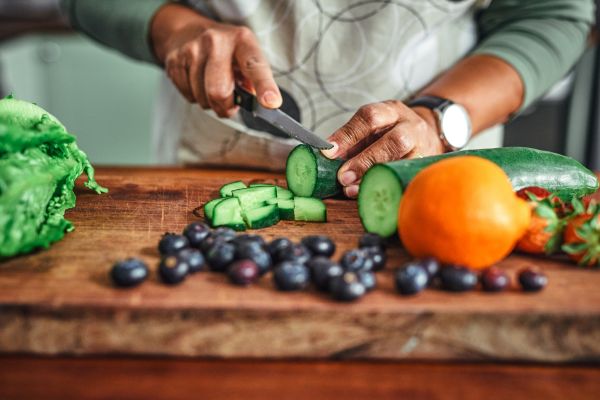
Positive health outcomes associated with live microbe intake from foods, including fermented foods, assessed using NHANES database
This interrogation of a dietary database linked consumption of foods containing live microbes with several biomarkers of health. -
How metabolites help us to understand the effect of gut microbes on health
By Dr. Anisha Wijeyesekera, University of Reading, UK Much literature relating to the gut microbiota has focused on microbial composition… -
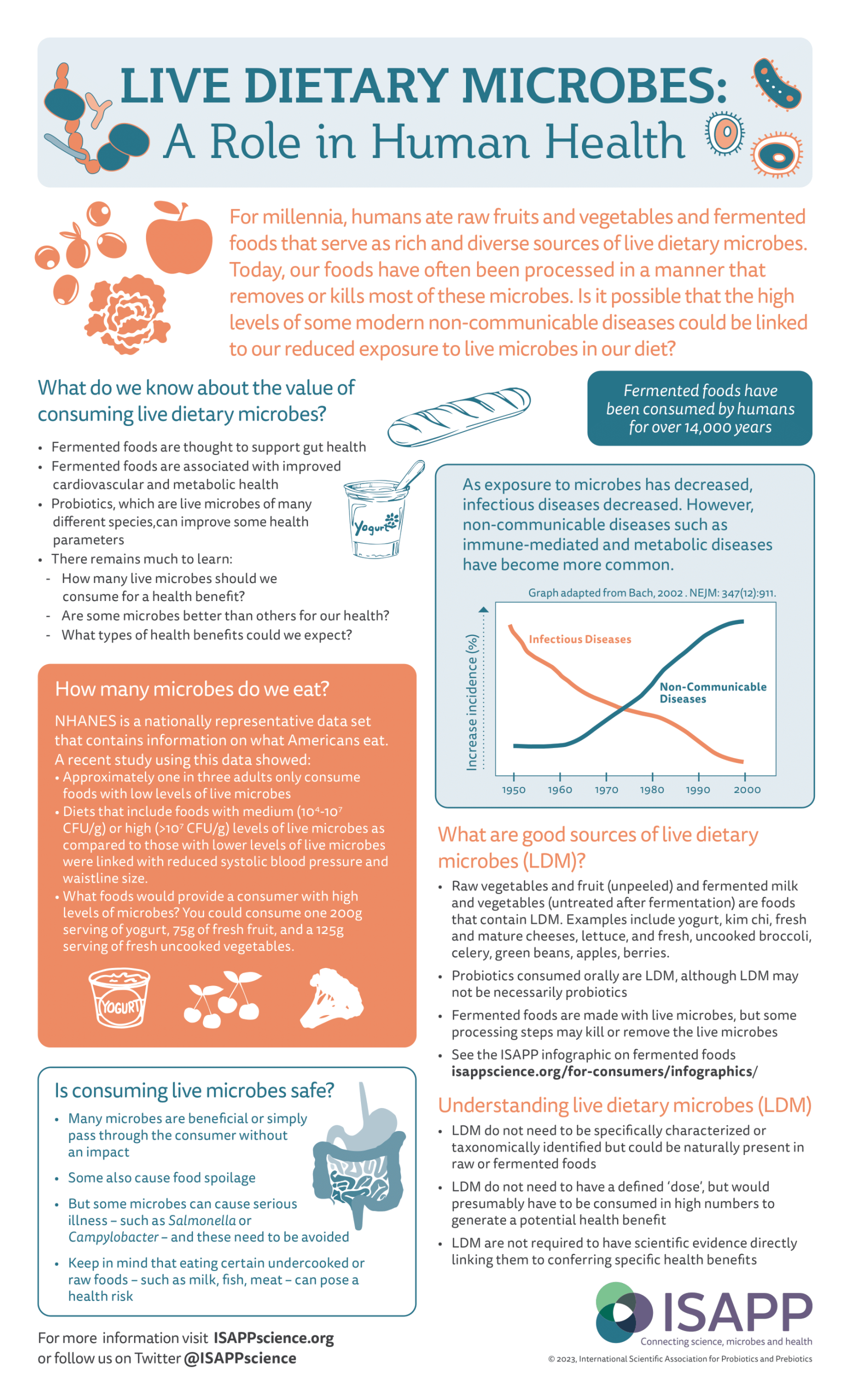
Live Dietary Microbes: A Role in Human Health
Recent research has linked consumption of higher numbers of live dietary microbes with general health benefits — so it may be worth trying to include more of them in your daily diet. -

Bifidobacteria in the infant gut use human milk oligosaccharides: how does this lead to health benefits?
By Martin Frederik Laursen, Technical University of Denmark, 2022 co-recipient of Glenn Gibson Early Career Research Prize Breast milk is… -
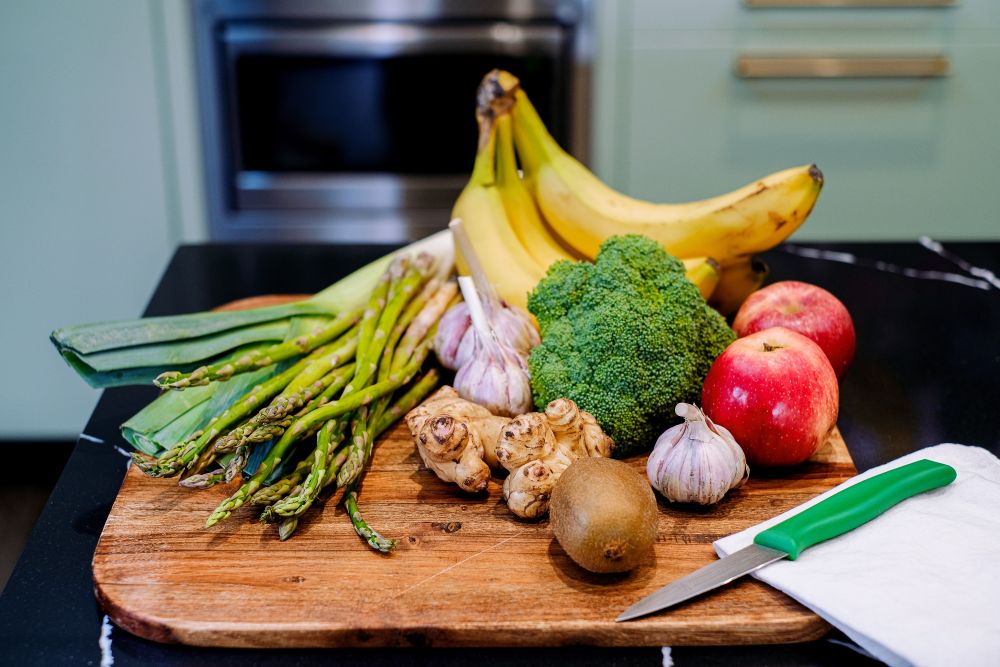
A Classification System for Defining and Estimating Dietary Intake of Live Microbes in US Adults and Children
This paper estimated dietary intake of live microorganisms in US adults and children, using cross-sectional data from NHANES dietary database. The authors assigned foods an estimated level of live microbes per gram and estimated the percentage of individuals with low, medium and high intake. -
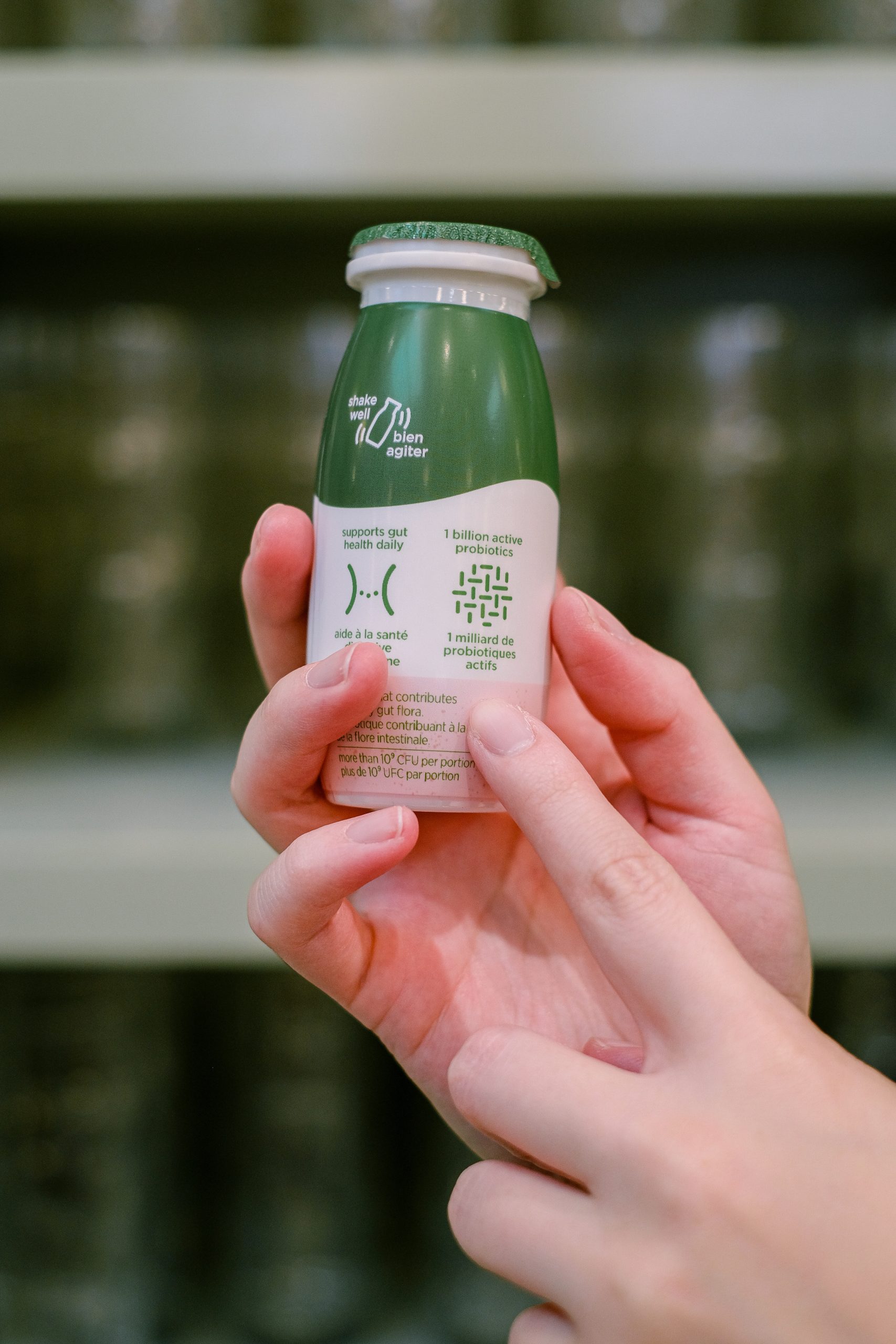
Decoding a Probiotic Product Label
By Mary Ellen Sanders, PhD Interested in knowing what’s in your probiotic product? Unfortunately, there are many ways that probiotic… -
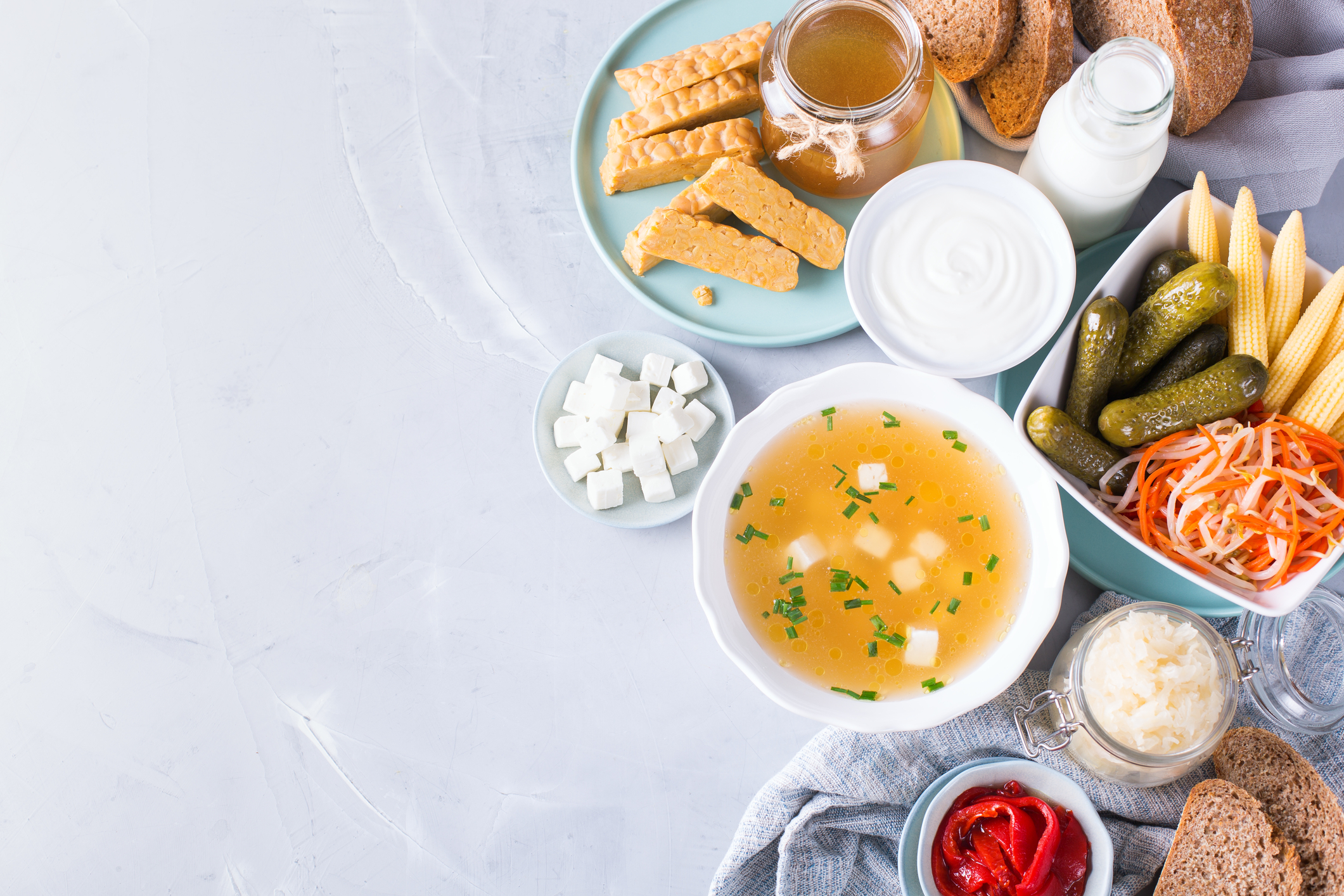
The USDA Global Branded Food Products Database is Now Accepting Data on Live Microbes – Call for Data Submission
Marie E. Latulippe, MS, RDN, Director of Science Programs and Brienna Larrick, PhD, PMP Scientific Program Manager, Institute for the… -

Using probiotics to support digestive health for dogs
By Kelly S. Swanson, PhD, The Kraft Heinz Company Endowed Professor in Human Nutrition, University of Illinois at Urbana-Champaign, USA… -
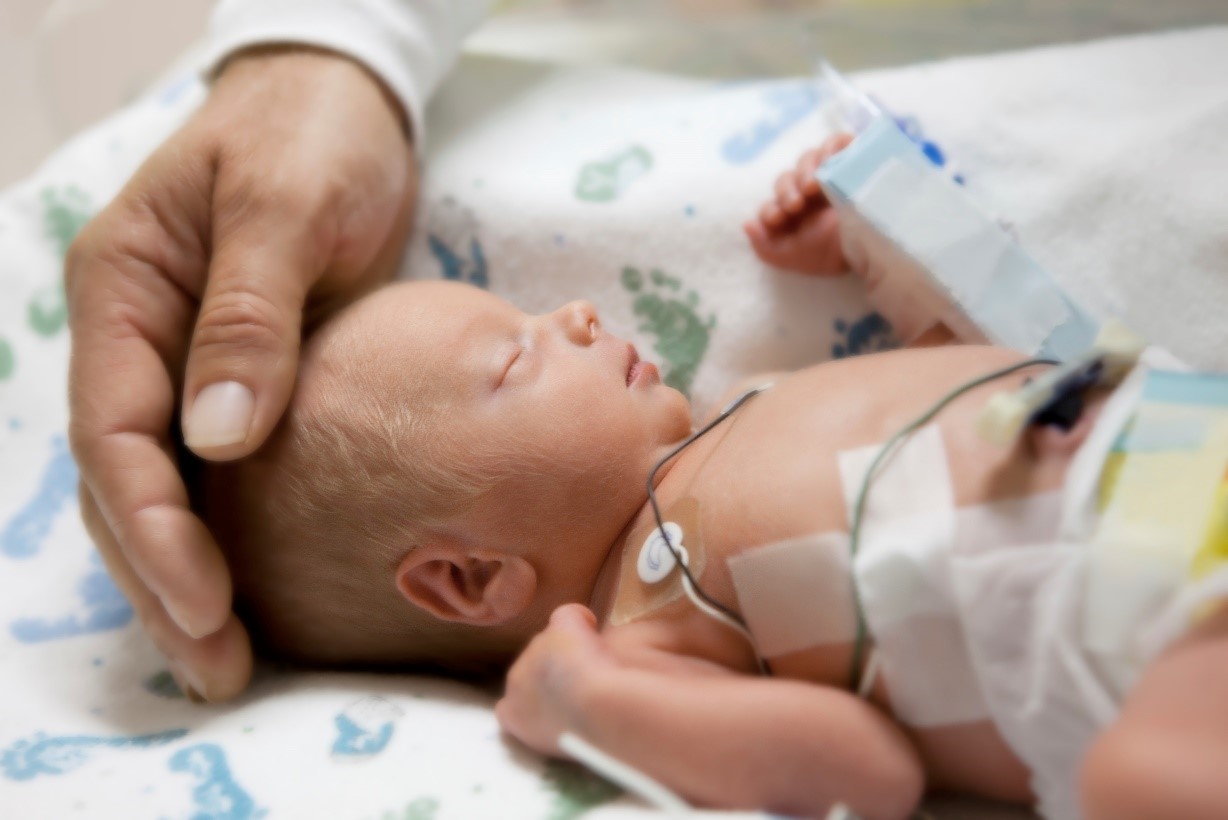
Can dietary supplements be used safely and reliably in vulnerable populations?
By Dr. Greg Leyer, Sr. Director – Scientific Affairs, Chr. Hansen, Inc., Madison, WI and Prof. Dan Merenstein, Department of… -
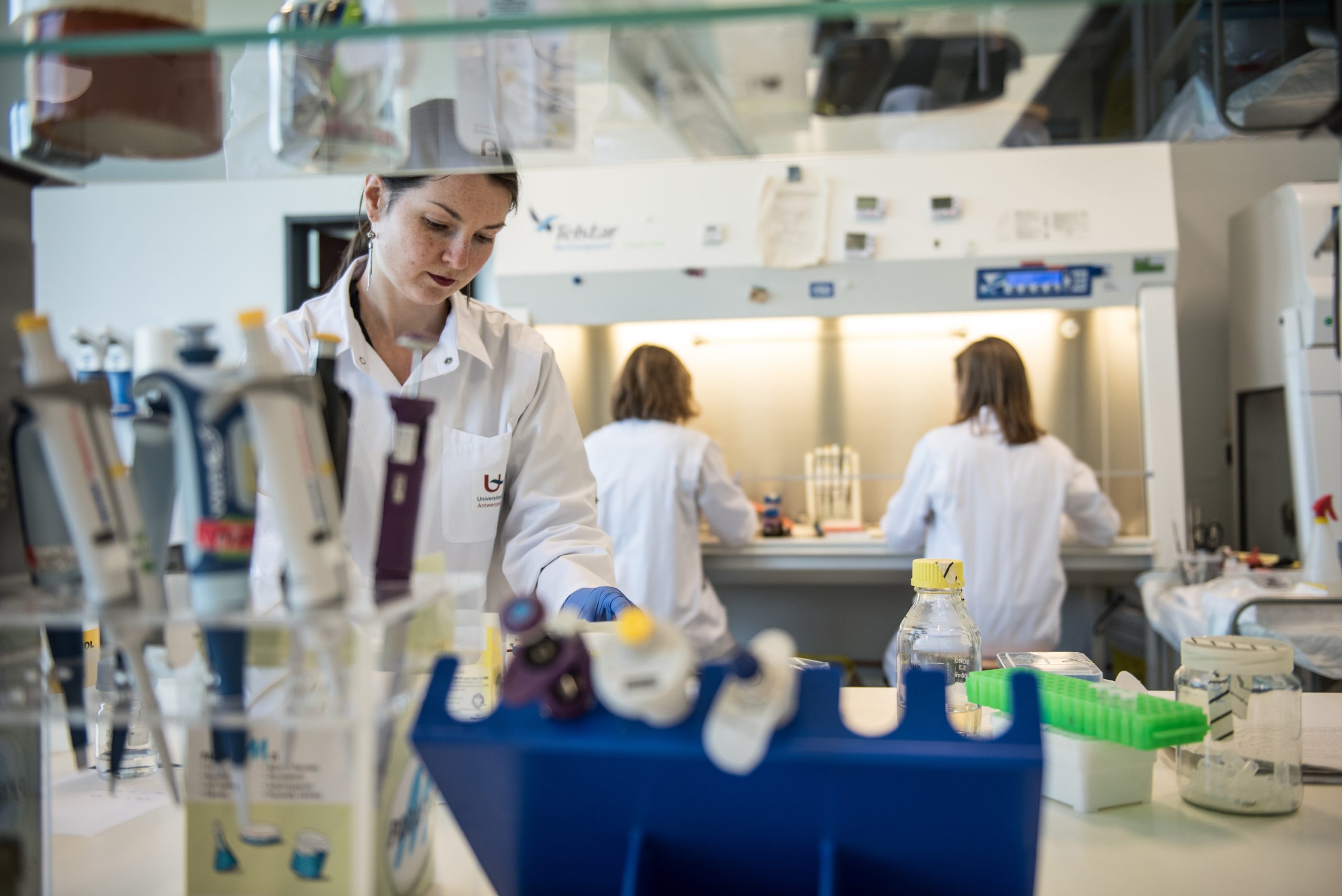
Behind the publication: Understanding ISAPP’s new scientific consensus definition of postbiotics
A key characteristic of a probiotic is that it remains alive at the time of consumption. Yet scientists have known… -

What’s the evidence on ‘biotics’ for health? A summary from five ISAPP board members
Evidence on the health benefits of gut-targeted ‘biotics’ – probiotics, prebiotics, synbiotics, and postbiotics – has greatly increased over the… -
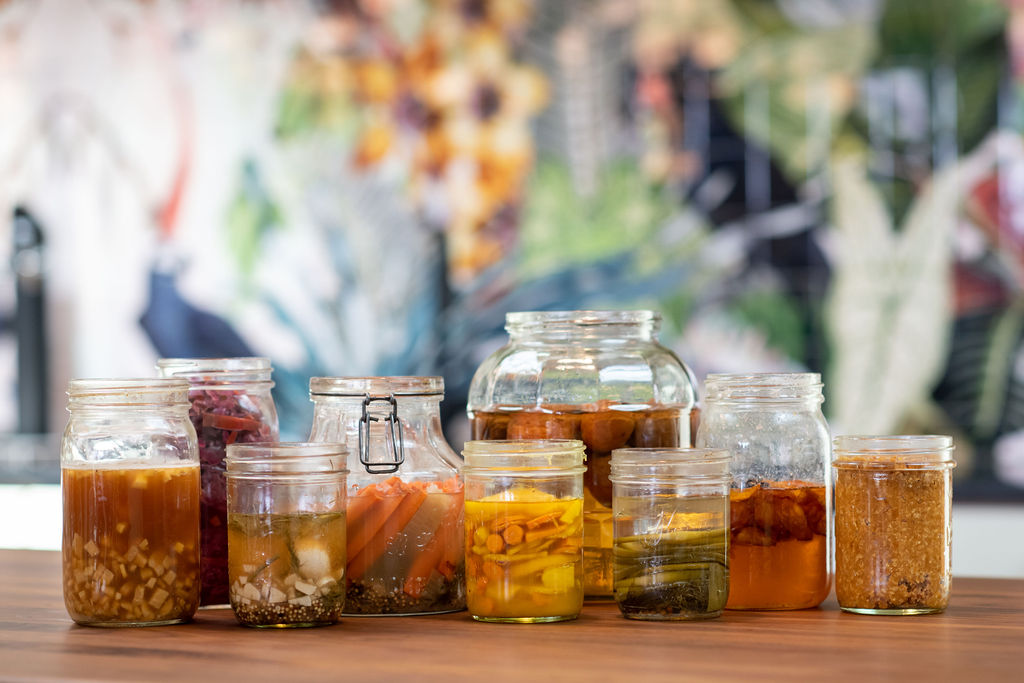
Video Presentation: Behind the scenes of the consensus panel discussion on the definition of fermented foods
Numerous misunderstandings and questions exist around the concept of fermented foods. For example: If a food does not contain live… -

Can fermented or probiotic foods with added sugars be part of a healthy diet?
By Dr. Chris Cifelli, Vice President of Nutrition Research, National Dairy Council, Rosemont IL, USA What about added sugar in… -
The future is microbial: A post-pandemic focus on identifying microbes and metabolites that support health
By Prof. Maria Marco, Department of Food Science and Technology, University of California Davis, USA The COVID-19 pandemic has been…


